
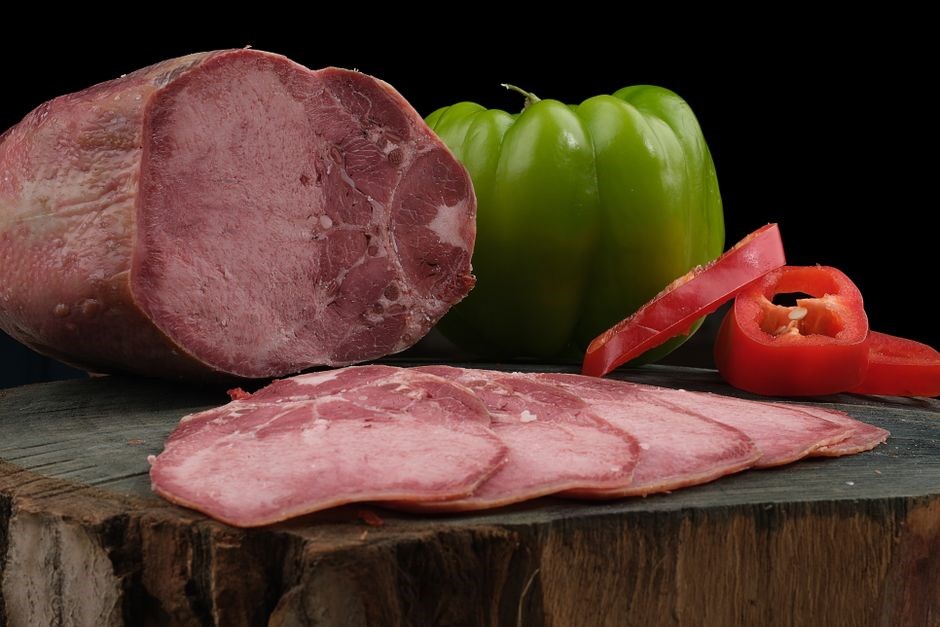
Appleton Farms boneless spiral ham demands gentle heat. Preheat oven to 325‑350°F, place ham cut‑side down in a roasting pan with ¼‑½ inch liquid, cover tightly with foil, and bake 10‑15 min per pound until 140‑145°F. Glaze in last 20 min, rest 10‑15 min before serving. Serve with sides for a meal todaynowEnjoy!
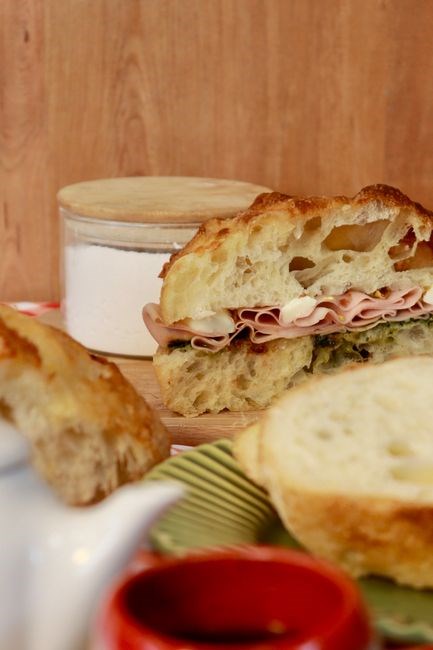
Product Overview
Appleton Farms boneless spiral ham is a premium, pre‑cooked pork product that offers convenience and flavor for holiday gatherings or everyday meals. The ham is sourced from USDA‑graded pork, then cured with a proprietary blend of salt, sugar, spices, and natural flavor enhancers. It is cooked and ready to heat, eliminating the need for long roasting times or complex preparation. The spiral cut design allows for heat distribution and portioning, making it good for group dinners,or buffet spreads.
Each ham comes in a vacuum‑sealed, heat‑resistant packaging that preserves moisture and prevents drying during reheating. The packaging includes a clear label with nutritional information, cooking times, and recommended serving suggestions. The product is available in several weights, ranging from 4 to 12 pounds, to accommodate small gatherings or large celebrations. Appleton Farms markets the ham as a versatile ingredient that pairs well with sweet glazes, savory sauces, or simple butter and herbs.
Nutrition-wise, a 3‑ounce serving contains approximately 120 calories, 8 grams of protein, and 5 grams of fat, with minimal cholesterol and sodium when prepared without added sauces. The ham is also a good source of B‑vitamins and essential minerals such as zinc and selenium. The company emphasizes that the ham is made without artificial preservatives, ensuring a natural taste and a longer shelf life when stored properly. For best results, keep the ham refrigerated until ready to heat, and follow the manufacturer’s storage instructions on the packaging.
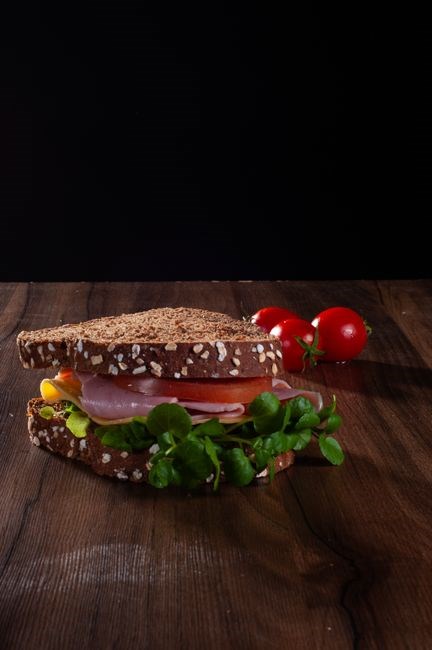
Recommended Equipment
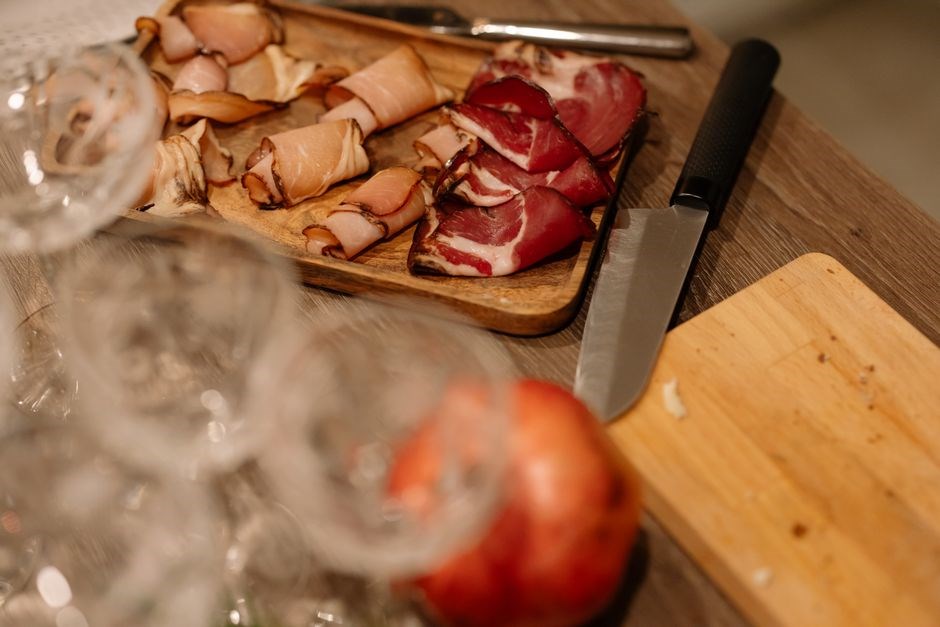
For a flawless Appleton Farms boneless spiral ham, gather the right tools. A heavy‑bottomed roasting pan or a rimmed baking dish with a rack is essential to keep the ham elevated above any liquid. A digital meat thermometer with a probe will let you monitor the internal temperature without opening the lid. A silicone or metal baking sheet can catch drips and make cleanup easier. A large, heat‑proof aluminum foil sheet or a reusable silicone lid will keep the ham moist during the long bake. A sturdy brush or a small pastry brush is needed for the glaze application, and a small saucepan for warming or mixing glaze ingredients. A timer or kitchen clock will help you keep track of the 10‑15 minute per pound rule and the final glazing window. If you prefer a crisp exterior, a broiler pan or a grill pan that can be moved to the oven’s broiler setting will allow you to finish the ham with a quick, caramelized top. Finally, a set of tongs or a large pair of kitchen shears will help you slice the spiral into even portions once the ham has rested. With these items on hand, you’ll be ready to follow the cooking instructions, apply glaze at the right time, and serve a perfectly cooked ham that tastes as fresh as if it were just pulled from the oven. A digital thermometer, a timer, a heat‑proof pan, a rack, a foil sheet, a glaze brush, a saucepan, a broiler pan, and a pair of tongs together form the complete kit for a professional‑grade result. Don’t forget a cutting board that can handle the weight of the ham and a clean, dry cloth to wipe excess glaze. These tools will keep the process organized and efficient, ensuring that every slice is juicy, flavorful, and visually appealing.
Before you begin, preheat your oven to 325‑350°F (163‑177°C). Place the ham cut‑side down on the rack, ensuring it sits above the liquid in the pan. Use a shallow pan to catch juices, and add ¼‑½ inch of water, apple juice, or ginger ale to keep the meat moist. Cover tightly with foil to trap steam. When the ham reaches 140‑145°F, remove the foil, brush on glaze, and return to the oven for the last 20 minutes. If you’re using a grill, set it to medium heat and place the ham on a grill pan, brushing glaze every few minutes until the surface caramelizes. After cooking, let the ham rest for 10‑15 minutes, tenting with foil to keep it warm. Slice the spiral with a sharp knife or kitchen shears, and serve immediately.
Safety first: keep the ham on a stable surface, use oven mitts when handling hot pans, and avoid touching the hot glaze with bare hands. Store leftovers in an airtight container in the refrigerator for up to 3 days, or freeze for up to 4 weeks. When reheating, cover with foil and warm to 165°F. A digital thermometer is the most reliable way to check doneness, and a timer will help you avoid overcooking. With these tools and tips, you’ll achieve a ham that’s moist, flavorful, and ready to impress.
Preparation Steps
Begin by removing the Appleton Farms boneless spiral ham from its packaging and letting it sit at room temperature for about 30 minutes; this helps the meat cook evenly. While the ham rests, preheat your oven to 325°F (163°C). Prepare a shallow roasting pan or a rim‑lined baking dish and place a rack inside. Set the ham cut‑side down on the rack, ensuring it is centered and not touching the pan walls. Add ¼ to ½ inch of liquid—water, apple juice, or ginger ale—to the bottom of the pan; this creates steam that keeps the ham moist during baking. Cover the pan tightly with heavy aluminum foil, sealing the edges to trap heat. Place the covered ham in the preheated oven and bake for 10 to 15 minutes per pound, or until the internal temperature reaches 140°F to 145°F (60°C to 63°C). Use a digital thermometer to check the core temperature without opening the lid. When the ham is nearly done, remove the foil, brush a generous layer of glaze over the surface, and return it to the oven for the final 20 minutes to allow the glaze to caramelize. After baking, let the ham rest uncovered for 10 to 15 minutes, tenting loosely with foil to retain warmth. Slice the spiral into even portions with a sharp knife or kitchen shears, and serve immediately. Store any leftovers in an airtight container in the refrigerator for up to three days or freeze for longer storage. If the ham is pre‑cooked, you only need to reheat it to 140°F; avoid overcooking by checking temperature every 5 minutes. For a glossy finish, brush glaze every 5 minutes during the last 20 minutes. Let the ham rest for 10 minutes before slicing to allow juices to redistribute. Keep the foil tented to maintain warmth. When slicing, follow the spiral pattern to preserve the aesthetic. Use a clean cutting board and a sharp knife to avoid tearing the meat. If you prefer a sweeter glaze, add brown sugar or honey to the glaze mixture; for a savory option, mix mustard, brown sugar, and a splash of cider vinegar. Store leftovers in a sealed container and reheat gently in a low oven or microwave, covering to prevent drying. For best flavor, consume within 3 days or freeze for up to 4 weeks.
Cooking Methods
Use a conventional oven or grill to heat the ham. For oven, preheat to 325°F, place ham cut‑side down on a rack, cover with foil, bake 10‑15 min per pound until 140‑145°F. For grill, set medium heat, cook 8‑10 min per side, turning until internal temperature reaches 140°F. Serve with a side of roasted vegetables for a balanced meal
Oven Cooking Instructions
Begin by preheating your oven to 325°F (163°C). Place the Appleton Farms boneless spiral ham on a rack in a shallow roasting pan, cut‑side down. Add ¼ to ½ inch of liquid—water, apple juice, or ginger ale—to keep the meat moist. Cover the pan tightly with aluminum foil to trap steam and prevent drying. Bake the ham for 10–15 minutes per pound, or until the internal temperature reaches 140–145°F (60–63°C). Use a meat thermometer to check the core. When the ham is nearly done, remove the foil, brush on your favorite glaze, and return it to the oven for the final 20 minutes, brushing again every 5 minutes to build a caramelized crust. Once the glaze is set and the internal temperature is within the safe range, take the ham out of the oven and let it rest for 20–30 minutes, tented loosely with foil. This resting period allows juices to redistribute, ensuring a tender, flavorful slice. Slice the spiral and serve immediately, pairing it with seasonal vegetables or a fresh salad for a complete meal. For a classic glaze, combine ½ cup brown sugar, ¼ cup Dijon mustard, 2 tablespoons honey, and 1 tablespoon apple cider vinegar in a small saucepan. Warm over medium heat, stirring until the sugar dissolves, then let the mixture simmer for 3 minutes until slightly thickened. Brush the glaze over the ham every 5 minutes during the final 20 minutes of cooking, allowing the sugars to caramelize and form a glossy, flavorful coating. After removing the ham from the oven, let it rest uncovered for 10 minutes to allow the juices to redistribute, then slice and serve. Serve the ham with a side of roasted root vegetables and a light citrus salad to balance the sweetness of the glaze and a splash of honey.
Grilling Cooking Instructions
Grilling a boneless spiral ham from Appleton Farms requires a gentle, low‑heat approach to preserve moisture and develop a caramelized crust. Preheat the grill to a steady 250–275°F (121–135°C), using indirect heat if possible. Place the ham on a grill grate, cut‑side down, and cover with a lid. Add a small amount of liquid—water, apple juice, or a splash of bourbon—to a drip pan beneath the ham to keep the meat moist and create steam. Cook for 12–15 minutes per pound, turning the ham every 5–7 minutes to ensure even heating. During the last 20 minutes of cooking, remove the lid, brush on a glaze of your choice, and return the ham to the grill. Brush the glaze again every 5 minutes, allowing the sugars to caramelize and form a glossy coating. The glaze should be applied in thin layers to avoid burning. Once the internal temperature reaches 140–145°F (60–63°C), remove the ham from the grill and let it rest for 10–15 minutes, tenting loosely with aluminum foil to keep it warm. Resting allows the juices to redistribute, ensuring a tender bite. Slice the spiral and serve immediately, pairing it with grilled vegetables or a fresh salad for a balanced meal. For a glaze, mix ½ cup brown sugar, ¼ cup Dijon mustard, 2 tablespoons honey, and 1 tablespoon apple cider vinegar in a saucepan. Warm heat, stirring until sugar dissolves, then let the mixture simmer for 3 minutes until thickened. Brush the glaze over the ham every 5 minutes during the final 20 minutes of grilling, allowing the sugars to caramelize and form flavorful coating. Enjoy quick
Glazing Technique
Appleton Farms boneless spiral ham receives its signature caramelized finish by applying a glaze during the final 20 minutes of cooking. A classic blend consists of ½ cup brown sugar, ¼ cup Dijon mustard, 2 tbsp honey, and 1 tbsp apple cider vinegar. Combine these ingredients in a small saucepan over low heat, stirring until the sugar dissolves and the mixture thickens to a syrupy consistency. Allow the glaze to cool slightly before using it to prevent burning.
When the ham’s internal temperature reaches 140–145°F (60–63°C), lift it from the oven or grill and begin the glazing process. Brush a generous amount of glaze over the entire surface, ensuring each spiral slice receives a coating. Return the ham to the heat source and continue cooking for another 10–15 minutes, brushing again every 5 minutes. This intermittent brushing allows the sugars to caramelize, forming a glossy, slightly crisp exterior while keeping the interior moist. Add a final glaze for extra shine!
For a sweeter glaze, add a splash of bourbon or a drizzle of maple syrup to the base mixture. To introduce a smoky note, finish the ham under a grill’s direct flame for the last minute of glazing, watching carefully to avoid charring. Once the glaze has set and the ham reaches the target temperature, remove it from heat and let it rest for 10–15 minutes, tented loosely with foil. Resting allows the juices to redistribute, ensuring a tender bite when sliced. Serve immediately, garnishing with fresh herbs or a sprinkle of sea salt for contrast.
Resting and Tenting
After the ham has reached the target internal temperature, remove it from the heat source and place it on a cutting board or a large platter. Let it rest for 10 to 15 minutes. During this period, the residual heat will continue to cook the ham, a process known as carry‑over cooking, raising the internal temperature by 5–10°F. This step is essential for a moist, tender result.
While the ham rests, cover it loosely with a clean aluminum foil tent; The tent allows the surface to breathe, preventing condensation that could make the glaze run off. It also keeps the exterior warm without over‑cooking it. Do not seal the foil tightly; a small gap is preferable to avoid steaming the meat. If you prefer a slightly crisp exterior, lift the foil for the last 5 minutes!
Use a sharp knife to cut the spiral slices only after the resting period is complete. Cutting too early can cause the glaze to slide off and the meat to become dry. Resting also allows the juices to redistribute throughout the ham, ensuring each bite is juicy and flavorful. The knife should be angled at 45 degrees to produce uniform slices.
When ready to serve, arrange the slices on a platter, optionally garnishing with fresh herbs or a drizzle of the remaining glaze. Serve immediately to enjoy the full texture and flavor profile of the Appleton Farms boneless spiral ham.
For an extra touch, place a small dish of warm apple cider or a splash of bourbon on the side; the aroma enhances the savory notes. Remember, the key to a perfect rest is patience—don’t rush the 10‑15 minute window, as this ensures the ham stays succulent and the glaze remains glossy. Sea salt enhances the glaze’s sweetness!!!
Serving Tips
Appleton Farms boneless spiral ham is a centerpiece that invites creativity at the table. Begin by letting the sliced ham rest on a warm platter; a small rack or a heat‑proof mat keeps it from steaming. Arrange the slices in a fan shape, allowing the glaze to gleam between each piece. A light dusting of fresh thyme or rosemary sprigs adds a fragrant contrast to the sweet glaze. For a pop of color, scatter thinly sliced red onions or bright bell pepper strips over the platter, which also provides a subtle crunch. If you prefer a savory accent, drizzle a thin layer of mustard‑infused olive oil or a splash of apple cider vinegar over the slices before serving. This not only brightens the flavor but also helps the glaze adhere and caramelize slightly on the surface.
Serve the ham at room temperature to allow the glaze to set and the flavors to meld. A small side of roasted root vegetables—carrots, parsnips, and sweet potatoes—provides a hearty accompaniment. For a touch of elegance, place a drizzle of honey‑mustard reduction over the slices just before plating. A sprinkle of toasted slivered almonds or candied pecans adds crunch and a nutty finish. If you’re hosting a holiday gathering, consider a small bowl of cranberry sauce or a fruit compote to balance the savory sweetness. Finally, pair the ham with a light, crisp white wine or a sparkling rosé to complement the caramelized glaze. Enjoy the feast with family and friends, and savor each bite of the perfectly cooked Appleton Farms boneless spiral ham Let the aroma linger as you share this culinary delight with ones all
Storage Recommendations
The key is to keep the ham at a constant, safe temperature and to minimize exposure to air, which can dry out the meat and encourage bacterial growth. Let the ham cool to room temperature, then wrap it tightly in a layer of parchment paper followed by a second layer of heavy‑grade aluminum foil. This double wrap traps moisture and prevents the glaze from drying. Place the wrapped ham in an airtight container or a resealable freezer bag, expelling as much air as possible before sealing. This keeps the ham juicy and flavorful!
Refrigeration is the best option for short‑term storage. Store the wrapped ham in the coldest part of your refrigerator (usually the back of the bottom shelf) at or below 40°F (4°C). If you need to keep it longer, freeze it. Label the package with the date of cooking so you can track its freshness. Keep the ham wrapped until ready to serve. Use a thermometer to confirm the temperature reaches 140°F before slicing!
When you’re ready to serve, thaw the ham in the refrigerator for 24 hours per 5 pounds of meat. Avoid thawing at room temperature, as this can create a warm environment that encourages bacterial growth; Reheat the ham in a low‑temperature oven at 250°F (120°C) until it reaches an internal temperature of 140°F (60°C). Always use a food‑safe thermometer to confirm the internal temperature before serving.
For freezer storage, wrap the ham tightly in heavy‑grade freezer paper, then place it in a double‑layer freezer bag to prevent freezer burn. Label the package with the cooking date and the freezer date. When you’re ready to use the ham, thaw it in the refrigerator for 24 hours per pound, or use the defrost setting on your microwave if you’re short on time. Once thawed, reheat as described above. Always check the internal temperature with a calibrated thermometer before serving. This ensures the ham is safe to eat and retains its best flavor and texture. Serve with a side of roasted vegetables and sides!
Safety Notes
When handling and cooking Appleton Farms boneless spiral ham, follow these safety guidelines to ensure a safe and delicious meal. Always wash your hands with soap and warm water before and after touching raw ham. Use separate cutting boards for raw meat and ready‑to‑eat foods to prevent cross‑contamination. Keep the ham refrigerated at or below 40°F (4°C) until you’re ready to cook. If you’re thawing a frozen ham, do so in the refrigerator or in cold water, never at room temperature.
- Use a food‑safe thermometer to confirm the internal temperature reaches 140°F (60°C) before serving.
- Never refreeze cooked ham that has been left at room temperature for more than 2 hours.
- When glazing, allow the ham to rest for at least 10 minutes after removing from the heat to let juices redistribute.
- Store leftovers in an airtight container and refrigerate within 2 hours of cooking.
- Discard any ham that shows off‑white discoloration, a sour odor, or a slimy texture.
Keep the ham covered during last 15 minutes of cooking to lock in moisture and flavor, allow it to rest before slicing!
During cooking, keep the oven door closed as much as possible to maintain a stable temperature. Use oven mitts and heat‑resistant gloves when handling hot pans. If you’re grilling, keep a spray bottle of water nearby to control flare‑ups. Always keep a fire extinguisher or a pot of baking soda within reach in case of grease fires. Finally, if you suspect any foodborne illness symptoms after eating, seek medical attention promptly.
FAQs
Q1: How long should I bake a boneless spiral ham?
A1: Bake at 325‑350°F for 10‑15 minutes per pound, or until the internal temperature reaches 140‑145°F.
Q2: Do I need to thaw the ham before cooking?
A2: Yes, thaw in the refrigerator or use the cold‑water method; never thaw at room temperature.
Q3: What liquid should I add to the roasting pan?
A3: Use ¼‑½ inch of water, apple juice, or ginger ale to keep the ham moist.
Q4: When should I apply the glaze?
A4: Brush glaze during the last 20 minutes of cooking, then let the ham rest 10‑15 minutes before slicing.
Q5: Can I cook the ham in a microwave?
A5: No, microwave heating can cause uneven cooking and a rubbery texture; use oven or grill.
Q6: How do I store leftovers?
A6: Place in an airtight container, refrigerate within 2 hours, and consume within 3‑4 days.
Q7: Is it safe to refreeze cooked ham?
A7: Refreezing is not recommended if the ham has been left at room temperature for more than 2 hours.
Q8: What safety precautions should I follow?
A8: Keep the oven door closed, use oven mitts, and have a fire extinguisher nearby when grilling.
Q9: Can I use a different glaze?
A9: Yes, a honey‑mustard or brown‑sugar glaze works well; apply during the last 20 minutes and let the ham rest before slicing.
Q10: How long can I keep the cooked ham at room temperature?
A10: Do not leave it out for longer than 2 hours; otherwise, refrigerate promptly.
Q11: Enjoy your ham!