A manual winding watch is a timepiece powered by a mainspring wound by hand‚ offering a direct connection to horological tradition and craftsmanship‚ appealing to enthusiasts seeking simplicity and heritage․
1․1 Definition and Purpose
A manual winding watch is a timepiece powered by a mainspring that must be wound by hand‚ typically via the crown․ This mechanism stores energy‚ which is gradually released to power the watch’s movement․ Unlike automatic watches‚ manual winding requires daily interaction‚ offering a tactile connection to the timepiece․ The purpose of a manual winding watch is to provide a reliable and precise tool for timekeeping‚ while also celebrating the craftsmanship and heritage of traditional watchmaking․ It appeals to enthusiasts who appreciate simplicity‚ mechanical beauty‚ and the ritual of winding their watch․
1․2 Historical Context
Manual winding watches trace their origins to the early days of horology‚ when pocket watches were the norm․ These timepieces required daily winding to function‚ relying on a mainspring to store energy․ The transition to wristwatches in the late 19th and early 20th centuries saw manual winding remain dominant․ However‚ with the advent of automatic watches in the mid-20th century‚ manual winding watches began to decline․ Despite this‚ they have experienced a resurgence in popularity‚ cherished for their craftsmanship‚ simplicity‚ and nostalgic appeal‚ connecting wearers to the rich history of watchmaking․
History of Manual Winding Watches
Manual winding watches evolved from pocket watches to wristwatches‚ powered by a mainspring‚ and experienced a resurgence in popularity‚ blending tradition with timeless elegance and craftsmanship․
2․1 Early Pocket Watches
Manual winding watches originated with pocket watches‚ which were the precursor to modern timepieces․ These early devices relied on a mainspring wound by hand‚ offering precise timekeeping․ The craftsmanship and mechanical simplicity of these watches laid the foundation for horology․ As wristwatches emerged‚ brands like Glashutte Original and NOMOS Glashutte continued the tradition‚ blending heritage with innovation․ The resurgence of manual winding watches highlights their timeless appeal‚ combining historical significance with aesthetic elegance‚ making them cherished by collectors and enthusiasts alike for their connection to the past and enduring craftsmanship․
2․2 Transition to Wristwatches
The shift from pocket watches to wristwatches marked a significant evolution in horology‚ driven by practicality and changing lifestyles․ Manual winding watches adapted seamlessly to this transition‚ retaining their mechanical essence while embracing new design aesthetics․ Brands like Glashutte Original and NOMOS Glashutte pioneered this shift‚ blending tradition with modernity․ The transition reflected a cultural shift toward convenience without compromising on craftsmanship‚ ensuring manual winding watches remained relevant and cherished for their timeless appeal and mechanical purity․
2․3 The Advent of Automatic Watches
The advent of automatic watches in the early 20th century revolutionized timekeeping by introducing self-winding technology․ This innovation‚ powered by a rotor that winds the mainspring through motion‚ eliminated the need for daily manual winding․ While automatic watches offered unparalleled convenience and reliability‚ manual winding watches persisted‚ cherished for their craftsmanship and historical significance․ The rise of automatic watches reshaped the industry‚ yet manual winding timepieces remained a testament to traditional horology‚ appealing to purists who valued simplicity and the tactile experience of winding their watch by hand․

2․4 Resurgence in Popularity
Manual winding watches have experienced a resurgence in popularity‚ driven by a renewed appreciation for craftsmanship and horological heritage․ Enthusiasts and collectors value the tactile experience of winding‚ which fosters a deeper connection to the timepiece․ The simplicity and elegance of hand-wound movements‚ often showcased through transparent casebacks‚ appeal to purists․ Additionally‚ the emotional and ritualistic aspect of daily winding has become a cherished tradition․ This revival highlights the enduring charm of manual winding watches in an era dominated by automation and smart technology‚ making them a symbol of timeless sophistication and artisanal excellence․

Mechanics of Manual Winding Watches
A manual winding watch operates via a mainspring wound by the user‚ powering a gear train and escapement mechanism to regulate time‚ ensuring precise and efficient functionality․
3․1 Mainspring and Gear Train
The mainspring is the power source of a manual winding watch‚ storing energy when wound․ The gear train transmits this energy to the escapement‚ regulating timekeeping․ When the crown is turned‚ the mainspring tightens‚ storing potential energy․ This energy is released through the gear train‚ which reduces the torque and transmits it to the escapement mechanism․ The gear train ensures smooth power distribution‚ maintaining accurate timekeeping․ Its intricate design and precision engineering are critical to the watch’s reliability and performance‚ making it a cornerstone of mechanical horology․
3․2 Escapement Mechanism
The escapement mechanism is a critical component in manual winding watches‚ responsible for regulating the release of stored energy from the mainspring; It ensures precise timekeeping by dividing time into equal parts‚ allowing the watch’s hands to move accurately․ The escapement consists of a wheel and pallets‚ which alternately lock and unlock‚ releasing energy in controlled intervals․ This mechanism is essential for maintaining consistency and accuracy‚ making it a cornerstone of mechanical watch design․ Its intricate engineering and precise operation are vital to the watch’s overall functionality and reliability․
3․4 Power Reserve Indicators
Power reserve indicators in manual winding watches display the remaining energy stored in the mainspring‚ typically ranging from 36 to 72 hours․ This feature allows users to monitor the watch’s power levels‚ ensuring timely winding to maintain accuracy․ It combines functionality with aesthetic appeal‚ offering a glimpse into the watch’s mechanical heartbeat․ By indicating when the mainspring is low‚ it prevents stopping and potential damage‚ making it a practical and desirable component for enthusiasts of manual timepieces․
Advantages of Manual Winding Watches
Manual winding watches offer craftsmanship‚ heritage‚ and a daily ritual of interaction‚ embodying simplicity and reliability while providing aesthetic appeal through their mechanical elegance and timeless design․
4․1 Craftsmanship and Heritage
Manual winding watches embody exceptional craftsmanship‚ reflecting the artistry and precision of traditional watchmaking․ Each timepiece is a testament to heritage‚ preserving centuries-old techniques passed down through generations․ The human touch in winding creates a personal connection‚ celebrating the simplicity of mechanical engineering․ Notable brands like Patek Philippe and Vacheron Constantin showcase intricate details‚ while Nomos Glashutte blends modern design with historical roots․ These watches are not just tools but pieces of horological history‚ offering a tangible link to the past and the mastery of their creators․
4․2 Daily Interaction and Ritual
Manual winding watches foster a unique daily interaction‚ transforming the act of winding into a mindful ritual․ This hands-on process creates a personal connection‚ as owners wind their timepieces each morning‚ ensuring precision and reliability․ The deliberate turning of the crown becomes a moment of contemplation‚ offering a pause from the fast-paced world․ This tactile engagement not only powers the watch but also deepens the wearer’s appreciation for its mechanics and heritage‚ making it more than just a timekeeping device but a cherished companion in daily life․
4․3 Simplicity and Reliability
Manual winding watches embody simplicity and reliability‚ focusing solely on timekeeping without unnecessary complications․ Their mechanical design‚ with fewer components than automatic watches‚ reduces the likelihood of mechanical issues․ The absence of an automatic rotor simplifies the movement‚ making it more robust and less prone to damage from sudden movements․ This straightforward construction ensures consistent performance‚ provided the watch is wound daily․ The predictability of its power reserve adds to its reliability‚ making it a trustworthy companion for those who appreciate mechanical purity and dependability in their timepiece․
4․4 Aesthetic Appeal
Manual winding watches are celebrated for their timeless elegance and clean design․ Their simplicity often results in uncluttered dials and sleek cases‚ emphasizing classic aesthetics․ The absence of an automatic rotor allows for a thinner profile‚ enhancing wearability․ Many enthusiasts appreciate the visible craftsmanship through exhibition case backs‚ showcasing intricate mechanical details․ Brands like Nomos Glashutte offer vibrant colors and minimalist designs‚ blending modernity with tradition․ The aesthetic appeal lies in their ability to balance functionality with artistry‚ making them both functional timepieces and wearable art that resonates with connoisseurs of horological design․
Disadvantages of Manual Winding Watches
Manual winding watches require daily winding‚ have limited power reserves‚ and risk overwinding‚ which can damage the mechanism․ Regular maintenance is also necessary to ensure accuracy and longevity․
5․1 Daily Winding Requirement
Manual winding watches require daily attention to maintain accuracy․ Owners must wind the watch‚ typically 20-30 turns‚ to replenish the mainspring’s energy․ Neglecting this ritual can halt the timepiece‚ while overwinding risks damage․ This necessity creates a routine that connects wearers to their watch’s mechanics‚ fostering a sense of responsibility and appreciation for its craftsmanship․ The daily interaction becomes a meditative process‚ emphasizing the watch’s reliance on human intervention to function․ This requirement‚ while inconvenient for some‚ is a defining characteristic of manual winding watches‚ appealing to those who value tradition and hands-on engagement․
5․2 Limited Power Reserve
Manual winding watches have a limited power reserve‚ typically lasting between 36 to 48 hours‚ though some high-end models can extend up to 10 days․ This means the watch must be wound regularly to maintain accuracy․ If the power reserve depletes‚ the watch stops‚ requiring rewinding․ While this can be inconvenient‚ it underscores the watch’s mechanical nature․ Some models feature power reserve indicators‚ allowing users to monitor their watch’s energy levels․ This feature helps prevent sudden stoppage and ensures precise timekeeping‚ blending functionality with traditional craftsmanship․

5․3 Potential for Overwinding
Manual winding watches carry a risk of overwinding‚ which can damage the mainspring or gear train․ Overwinding occurs when the crown is turned excessively‚ beyond the spring’s capacity․ This can lead to mechanical stress‚ potentially causing costly repairs․ To avoid this‚ users should wind the watch gently and stop when resistance is felt․ Most modern manual watches include safety mechanisms to prevent overwinding‚ but awareness and careful handling remain essential․ Proper winding techniques‚ as outlined in user manuals‚ help preserve the watch’s longevity and performance‚ ensuring it runs smoothly for years․
5․4 Maintenance Needs
Manual winding watches require regular maintenance to ensure optimal performance․ Professional servicing‚ including cleaning and lubrication of internal components‚ is typically needed every 3 to 5 years․ Neglecting maintenance can lead to wear and tear‚ affecting accuracy and longevity․ The cost of servicing varies depending on the brand and complexity of the watch․ Proper care‚ including avoiding extreme conditions and handling with care‚ is essential to preserve the timepiece․ Regular maintenance not only maintains functionality but also upholds the watch’s aesthetic and mechanical integrity‚ making it a worthwhile investment for enthusiasts․
How to Wind a Manual Watch
Locate the crown‚ unscrew if necessary‚ and gently turn it clockwise to wind․ Stop when resistance is felt to avoid overwinding and potential damage․
6․1 Understanding the Crown
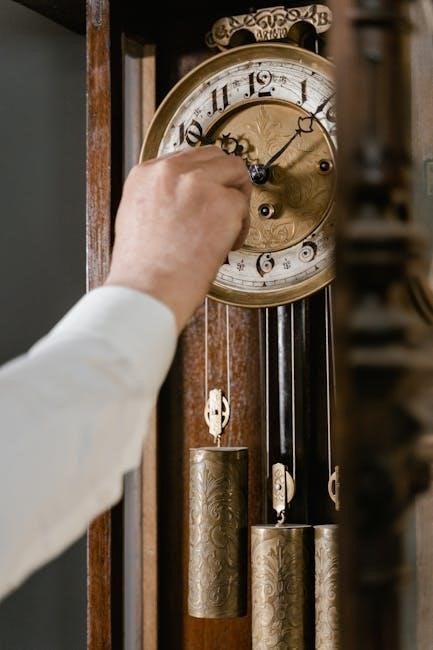
The crown is the primary control mechanism on a manual winding watch‚ used for setting the time and winding the mainspring․ To wind‚ unscrew the crown if it’s a screw-down type‚ then turn it clockwise․ This action transfers energy to the mainspring‚ powering the watch․ The crown’s design varies‚ with some featuring protective guards to prevent accidental adjustments․ Proper use of the crown ensures smooth operation and prevents damage․ It’s essential to screw it back tightly after winding to maintain water resistance and overall functionality․
6․2 Step-by-Step Winding Process
Winding a manual watch involves a straightforward process․ First‚ ensure the watch is not running low on power․ Locate the crown‚ typically on the right side․ Unscrew it if it’s a screw-down crown․ Gently pull it out to the first position for setting the time or further for winding․ Turn the crown clockwise to wind the mainspring․ Stop when resistance increases‚ indicating full wind․ Avoid overwinding to prevent damage․ After winding‚ push the crown back in and screw it tightly to maintain water resistance․ Regular winding ensures accurate timekeeping and optimal performance․
6․3 Avoiding Overwinding
Avoiding overwinding is crucial to prevent damage to the mainspring․ Start by winding the crown clockwise until you feel resistance‚ indicating the watch is fully wound․ Stop immediately to avoid strain on the spring․ Overwinding can cause the mainspring to break or lose its accuracy․ Listen for a slight click or resistance as a sign to cease winding․ Never force the crown beyond its natural stopping point․ By winding carefully and mindfully‚ you ensure the watch’s longevity and maintain its precise timekeeping capabilities․ This practice is essential for preserving the mechanical integrity of your timepiece․
Maintenance and Servicing
Regular servicing ensures optimal performance‚ involving cleaning‚ lubrication‚ and inspection of internal components․ Professional care extends the watch’s lifespan and maintains its accuracy and functionality over time․
7․1 Importance of Regular Servicing
Regular servicing is crucial for maintaining the precision and longevity of manual winding watches․ Over time‚ dirt and oil degradation can affect accuracy and functionality․ Professional servicing ensures thorough cleaning‚ lubrication‚ and adjustment of internal components‚ preventing friction and corrosion․ Neglecting maintenance can lead to mechanical failure‚ requiring costly repairs․ Servicing also involves checking for wear on critical parts‚ such as the mainspring and gear train‚ ensuring the watch continues to perform optimally․ A well-maintained timepiece retains its value and reliability‚ making regular care essential for preserving its heritage and functionality․

7․2 Cleaning and Lubrication
Cleaning and lubrication are essential for maintaining the smooth operation of a manual winding watch․ Over time‚ dirt and old oil can accumulate‚ causing friction and corrosion․ Professional servicing involves disassembling the watch‚ cleaning each component ultrasonically‚ and applying new lubricants to critical areas like the mainspring and gear train․ Proper lubrication ensures the movement runs smoothly‚ reducing wear and tear․ Regular cleaning also prevents the buildup of debris‚ which can affect accuracy․ This process is vital for preserving the watch’s mechanical integrity and ensuring it continues to function precisely over the years․
7․3 Cost Considerations
Manual winding watches vary significantly in cost‚ ranging from affordable options to luxury timepieces․ High-end models from brands like Patek Philippe or Vacheron Constantin can be expensive due to intricate craftsmanship and materials․ Maintenance costs‚ including servicing and parts replacement‚ should also be considered․ While initial purchase prices may seem high‚ these watches often appreciate in value‚ making them viable investments․ Additionally‚ regular servicing ensures longevity‚ balancing long-term costs․ Budget-conscious buyers can explore entry-level manual watches from brands like Nomos‚ offering quality without excessive expense․
Design Elements
Manual winding watches often feature classic aesthetics‚ minimalist designs‚ and unique complications‚ emphasizing craftsmanship and heritage․ They blend simplicity with sophistication‚ appealing to purists and collectors alike․
8․1 Classic Aesthetics
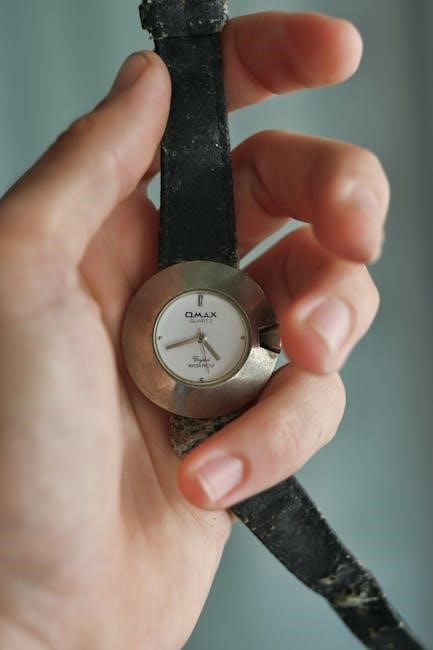
Manual winding watches often embody timeless elegance with clean dials‚ slender hands‚ and minimalist cases․ Brands like Nomos Glashutte and Patek Philippe Calatrava exemplify this‚ offering understated sophistication․ The absence of bulky rotors allows for sleek designs‚ while subtle details like guilloché patterns or enamel dials enhance their classic appeal․ These watches celebrate traditional horology‚ evoking a bygone era of precision and craftsmanship․ Their simplicity makes them versatile‚ suitable for both formal and casual wear‚ appealing to purists who appreciate the beauty of mechanical watchmaking․
8․2 Minimalist Design
Manual winding watches often feature minimalist design‚ emphasizing clean lines‚ uncluttered dials‚ and simple aesthetics․ Brands like Nomos Glashutte and Patek Philippe create timepieces with pared-down elements‚ focusing on functionality and elegance․ The absence of complex features allows the watch’s mechanical essence to shine‚ appealing to purists․ Minimalist designs often include slim cases‚ subtle hands‚ and limited dial text‚ creating a timeless appeal․ This understated approach reflects the watch’s primary purpose: to tell time with precision and style‚ making it a favorite among enthusiasts who value simplicity and horological purity․
8․4 Unique Complications
Manual winding watches often showcase unique complications‚ blending intricate mechanics with artistic craftsmanship․ These timepieces may feature tourbillons‚ perpetual calendars‚ or skeletonized movements‚ highlighting the watchmaker’s skill․ Brands like Patek Philippe and Vacheron Constantin excel in creating such masterpieces‚ offering collectors rare and complex pieces․ These complications not only add functionality but also elevate the watch’s aesthetic appeal‚ making each piece a testament to horological innovation and artistry․ The combination of manual winding with intricate complications results in timepieces that are both technically impressive and visually stunning‚ appealing to connoisseurs seeking exclusivity and mechanical brilliance․
Notable Brands and Models
Patek Philippe Calatrava‚ Rolex manual models‚ Nomos Glashutte Club Campus‚ and Vacheron Constantin are renowned for their exceptional manual winding watches‚ blending craftsmanship with timeless elegance․
9․1 Patek Philippe Calatrava
The Patek Philippe Calatrava is a symbol of understated elegance‚ embodying the essence of manual winding watches․ Known for its minimalist design‚ the Calatrava features clean lines‚ a slim profile‚ and a focus on time-telling purity․ Crafted from precious materials like gold and platinum‚ it showcases exceptional craftsmanship․ The Calatrava is often considered a cornerstone in any serious watch collection‚ blending historical significance with contemporary appeal․ Its manual winding mechanism highlights the connection to traditional horology‚ making it a favorite among connoisseurs who appreciate both heritage and sophistication․
9․2 Rolex Manual Models
Rolex manual winding models‚ such as the Cellini collection‚ exemplify timeless elegance and precision․ These watches blend traditional craftsmanship with modern aesthetics‚ offering a refined timekeeping experience․ The manual winding mechanism ensures a personal connection to the watch‚ emphasizing the ritual of daily winding․ Crafted from precious materials like gold and platinum‚ Rolex manual models are sought after for their durability and heritage․ They appeal to collectors who appreciate the simplicity and mechanical beauty of a hand-wound timepiece‚ standing as a testament to Rolex’s commitment to excellence and horological artistry․

9․3 Nomos Glashutte
Nomos Glashutte‚ a German watchmaker‚ is renowned for its manual winding timepieces that blend minimalist design with precise engineering․ Models like the Club Campus 38mm Future Orange showcase vibrant aesthetics and functional simplicity․ Known for their clean dials and robust craftsmanship‚ Nomos watches appeal to both enthusiasts and everyday wearers․ The brand’s commitment to in-house movements and affordable luxury makes its manual winding watches highly sought after․ With a focus on modern design and traditional watchmaking techniques‚ Nomos Glashutte continues to be a standout in the world of manual winding watches․
9․4 Vacheron Constantin
Vacheron Constantin‚ one of the oldest watchmakers‚ crafts exquisite manual winding timepieces that embody horological excellence․ Known for intricate complications and elegant designs‚ their watches‚ like the Overseas and 222 models‚ showcase precision and artistry․ The brand’s commitment to traditional craftsmanship and innovation makes its manual winding watches highly desirable․ With a rich history and a focus on detail‚ Vacheron Constantin continues to produce timepieces that are both functional masterpieces and works of art‚ appealing to collectors and connoisseurs alike․
Cultural and Collectible Value
Manual winding watches hold significant cultural and collectible value‚ cherished for their historical craftsmanship‚ mechanical simplicity‚ and emotional connection‚ making them sought-after treasures among horology enthusiasts and investors․
10․1 Enthusiast Community
The enthusiast community for manual winding watches is vibrant and passionate‚ with collectors and aficionados celebrating the artistry and heritage of these timepieces․ Online forums‚ specialized groups‚ and events foster a sense of camaraderie‚ where members share knowledge‚ showcase their collections‚ and discuss the nuances of horology․ This dedicated community not only preserves the tradition of manual watches but also drives their resurgence‚ appreciating the craftsmanship and the personal connection that comes with winding a watch by hand every day․
10․2 Investment Potential
Manual winding watches‚ particularly those from esteemed brands like Patek Philippe and Vacheron Constantin‚ often appreciate in value‚ making them attractive investments․ Limited editions‚ unique complications‚ and historical significance drive their desirability․ The craftsmanship and rarity of these timepieces ensure they retain or increase in value over time․ Collectors and connoisseurs seek these watches not only for their beauty but also as tangible assets․ As a result‚ manual winding watches have become a popular choice for those looking to combine passion with potential financial returns‚ blending horological art with investment opportunity․
10․3 Historical Significance
Manual winding watches hold a profound historical significance‚ tracing back to the origins of watchmaking․ They represent the evolution from pocket watches to wristwatches‚ embodying the craftsmanship of earlier eras; Timepieces like the Patek Philippe Calatrava and Vacheron Constantin models are testaments to this heritage‚ preserving traditional techniques․ These watches connect enthusiasts to the past‚ offering a tangible link to horological history․ Their enduring appeal lies in their ability to honor the roots of watchmaking while continuing to inspire modern collectors and connoisseurs‚ ensuring their legacy endures through generations․
Manual winding watches embody tradition‚ craftsmanship‚ and a timeless connection to horological history‚ appealing to enthusiasts who cherish the art of watchmaking and its enduring legacy․
11․1 Summary of Key Points
Manual winding watches are timepieces powered by a mainspring wound by hand‚ embodying tradition and craftsmanship․ They offer a direct connection to horological history‚ appealing to enthusiasts who value simplicity‚ daily interaction‚ and heritage․ These watches require regular winding‚ lack modern automation‚ and demand maintenance‚ yet their aesthetic appeal and mechanical purity make them cherished collectibles․ Their resurgence in popularity highlights a appreciation for craftsmanship and the joy of a ritualistic practice‚ making them a timeless choice for those who admire the art of watchmaking and its enduring legacy․
11․2 Final Thoughts
Manual winding watches embody a profound appreciation for craftsmanship and the joy of a simple‚ ritualistic practice․ They offer a tangible connection to horological history‚ appealing to those who value tradition and the art of watchmaking․ While they require attention and care‚ their timeless elegance and mechanical purity make them a cherished choice for enthusiasts․ These watches are not just timekeeping devices but a celebration of heritage‚ inviting wearers to slow down and appreciate the beauty in simplicity․ They stand as a testament to the enduring allure of traditional watchmaking․
Additional Resources
Explore ManualsLib for extensive manuals‚ guides‚ and tutorials; Discover video tutorials on YouTube for hands-on learning․ Visit official brand websites for detailed specifications and collections․
12․1 Recommended Reading
For in-depth understanding‚ explore manuals on ManualsLib‚ offering extensive guides on watch mechanisms․ Discover books on horology‚ such as “The Watchmaker’s Handbook‚” and articles on historical timepieces․ Research specific models like the NOMOS Glashutte Club Campus or Vacheron Constantin’s 222․ Visit official brand websites for detailed specifications and collector forums for enthusiast insights․ Additionally‚ find tutorials on websites like Chronometer Check for practical advice on maintenance and care‚ ensuring a comprehensive knowledge base for manual winding watches․
12․2 Video Tutorials
Video tutorials provide hands-on guidance for manual winding watches․ Channels like Silly Vintage Watches and Chronometer Check offer detailed step-by-step instructions․ Topics include proper winding techniques‚ avoiding overwinding‚ and basic maintenance․ Tutorials often feature close-ups‚ making complex processes easy to follow․ Many videos cater to both beginners and experienced collectors‚ covering models like the NOMOS Glashutte Club Campus․ These resources are invaluable for understanding the mechanics and care of manual winding watches‚ enhancing the ownership experience and ensuring longevity of the timepiece․