Understanding Your Kenmore 385 Sewing Machine
The Kenmore 385 series‚ often found as models like 385.15358‚ was manufactured by Janome for Sears. These machines‚ typically produced around 2000-2010‚ are known as decent‚ basic‚ low-shank models. They perform well on various fabrics from denim to canvas.
Identification‚ Janome Origin‚ and Key Characteristics
Kenmore 385 series sewing machines are primarily identified by their “385” prefix‚ which denotes their manufacturing origin: Janome produced these units for Sears. Specific models‚ like the 385.15358 or 385.17626890‚ feature a longer number after the “385.” These machines were typically manufactured and often reconditioned by Janome between approximately 2000 and 2010. During this period‚ Kenmore’s brand status allowed Janome to re-badge machines‚ a transition sometimes visible by faint Kenmore branding beneath new badging.
Key characteristics highlight their dependable‚ basic design‚ often featuring a center needle and low bar configuration. They are highly regarded for their robust performance across diverse fabrics‚ capably handling everything from lighter textiles to demanding materials such as X-pac‚ heavy DCF‚ denim‚ and medium-weight canvas. Owners frequently attest to their impressive longevity and reliability. A significant advantage is their compatibility with Janome low-shank presser feet‚ broadening their functional scope. Some models also incorporate a one-step buttonhole mechanism‚ though its operational consistency might vary‚ contributing to a versatile and enduring sewing experience.
Accessing and Interpreting Your User Manual
Accessing the manual for your Kenmore 385 is crucial. Free PDF downloads are available online for models like 385.15358. These manuals provide comprehensive instructions for setup‚ use‚ maintenance‚ and troubleshooting‚ ensuring optimal performance.
Sources for Free Online Manuals and PDF Downloads
Locating a free user manual for your Kenmore 385 series sewing machine is straightforward using various online resources. ManualsLib is a primary destination for many models‚ like the 385.15358. It provides comprehensive manuals‚ often with clickable tables of contents‚ simplifying navigation to sections on threading or stitch selection. These are typically available as instant PDF downloads‚ enabling you to save and print them for convenient offline reference during your sewing projects. This ensures continuous access to vital operational details‚ enhancing your sewing experience.
SearsPartsDirect.com is another valuable resource for Kenmore owners. Entering your precise Kenmore 385 model number (e.g.‚ 385.17620 or 385.15108200) often reveals the exact user manual‚ plus compatible parts details. Various online archives and specialized sewing machine parts retailers also host downloadable PDFs for diverse Kenmore 385 models. A web search with your full model number will frequently yield numerous reputable links. These digital copies offer essential operating instructions‚ troubleshooting advice‚ and maintenance guidance‚ all at no charge. Always verify the source for safe downloading of these important documents.
Comprehensive Manual Content Overview
The comprehensive user manual for your Kenmore 385 sewing machine serves as an indispensable resource‚ detailing its use and care. It commences with crucial safety instructions‚ underscoring household-only use and strict unplugging protocols for safety. Following this‚ the manual progresses into fundamental setup procedures‚ guiding users through preparing the machine for operation. Key sections dedicate to essential tasks like precise threading techniques‚ correct bobbin winding‚ and secure needle installation. Clear‚ illustrated instructions cover changing presser feet and selecting basic stitches‚ including straight and zigzag options. Advanced sewing functions are also covered‚ with specific guidance for mastering automatic buttonhole balance adjustments to achieve perfect buttonholes. Moreover‚ the manual provides invaluable troubleshooting charts to diagnose and resolve common operational problems‚ alongside detailed instructions for setting machine timing if adjustments are ever needed. Finally‚ it outlines routine maintenance practices‚ including cleaning and oiling‚ ensuring the machine’s longevity and consistent performance. This holistic overview empowers users to fully utilize and maintain their Kenmore 385.
Essential Machine Setup and Operation
This section is crucial for operating your Kenmore 385 safely and effectively. It covers essential setup: important safety practices‚ threading‚ bobbin winding‚ needle installation‚ changing presser feet‚ and basic stitch selection for all your sewing needs.
Important Safety Instructions and Best Practices
Operating your Kenmore 385 sewing machine safely is paramount for both your well-being and the machine’s longevity. Always treat your sewing appliance with care‚ understanding it is designed strictly for household use. A fundamental safety instruction is to consistently unplug the machine from the power outlet whenever it is not in active use. This crucial step prevents accidental starts and potential electrical hazards‚ especially when performing tasks like changing needles‚ presser feet‚ or cleaning. Furthermore‚ it is essential to unplug the machine before any maintenance‚ oiling‚ or troubleshooting to avoid injuries from moving parts. Keep fingers clear of the needle area and other moving components during operation. Ensure proper lighting in your workspace to reduce eye strain and improve visibility. Before starting any project‚ verify that the needle is correctly installed and not bent‚ which could cause breakage and potential injury. Also‚ maintain a clean and uncluttered sewing area‚ keeping fabrics and loose items away from the foot control and power cord. Never operate the machine if it exhibits unusual noises‚ slows down significantly‚ or if any parts are damaged; consult your manual or a qualified technician. Following these best practices will ensure a safe and enjoyable sewing experience with your Kenmore 385.
Threading‚ Bobbin Winding‚ and Needle Installation
Mastering the fundamental steps of threading‚ bobbin winding‚ and needle installation is essential for optimal performance of your Kenmore 385 sewing machine. Always begin by ensuring the machine is unplugged for safety‚ especially when handling needles. To install a new needle‚ insert it with the flat side facing the back‚ pushing it upward until it cannot go any further‚ then securely tighten the needle clamp screw. Selecting a sharp needle suitable for your specific project’s fabric is crucial to prevent skipped stitches and fabric damage. For bobbin winding‚ place your thread spool on the spool pin‚ guide the thread through the designated bobbin winding tension disc‚ and then wrap it around the empty bobbin. Position the bobbin onto the winder spindle and slide it to the right. Engage the machine to wind the bobbin evenly‚ then trim the thread and remove it. Finally‚ for upper thread threading‚ meticulously follow the numbered path illustrated in your machine’s manual‚ guiding the thread from the spool‚ through all tension discs‚ up through the take-up lever‚ down to the needle bar thread guide‚ and finally through the eye of the needle from front to back. Correct threading ensures proper tension and stitch formation.
Changing Presser Feet and Basic Stitch Selection
Changing presser feet on your Kenmore 385 is a straightforward process‚ crucial for different sewing tasks. These machines are generally compatible with Janome low-shank presser feet‚ offering a wide range of options beyond the standard zigzag foot. To change a foot‚ raise the needle to its highest position and lift the presser foot lever. Press the release button or lever at the back of the presser foot holder to detach the current foot. Align the new presser foot with the holder’s pin and lower the presser foot lever until it snaps securely into place. Always ensure the foot is firmly attached before starting to sew to prevent damage to the needle or machine.
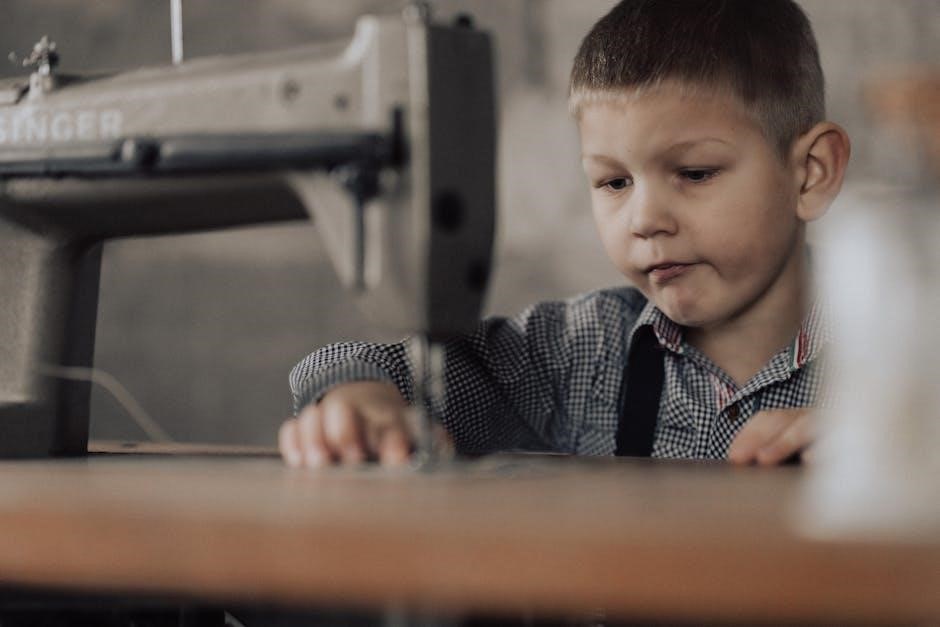
For basic stitch selection‚ your Kenmore 385 typically features intuitive controls. Locate the stitch selector dial or buttons on your machine. Common selections include the straight stitch (often referred to as “puntada recta” in bilingual manuals)‚ essential for seams and topstitching‚ and the zigzag stitch‚ versatile for finishing edges‚ appliqué‚ and decorative work. Other basic stitches might include stretch stitches or utility stitches. Refer to your specific model’s manual for a comprehensive guide to available stitches and their recommended uses. Experiment with different stitch lengths and widths on scrap fabric to achieve desired results. Understanding these foundational adjustments will significantly enhance your sewing projects.
Advanced Sewing Functions and Adjustments

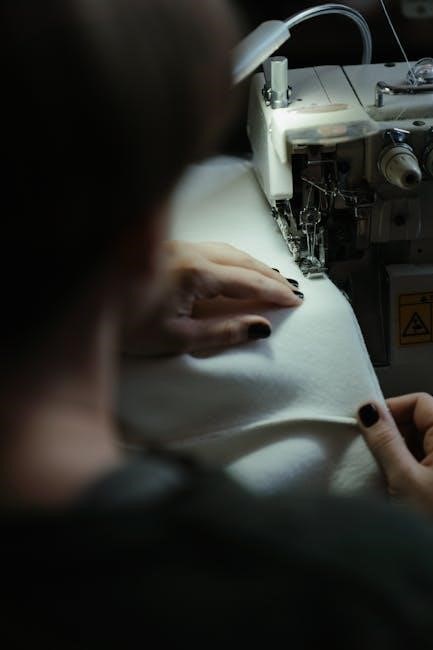
Beyond basic operations‚ Kenmore 385 machines offer advanced adjustments. Mastering automatic buttonhole balance is key for even bar tacks. Proper machine timing‚ like needle bar height and hook position‚ ensures smooth‚ reliable stitching.
Mastering Automatic Buttonhole Balance Adjustment
Mastering the automatic buttonhole function on your Kenmore 385 sewing machine often involves a crucial adjustment: the buttonhole balance. Many sewers encounter situations where the automatic buttonhole’s second bar tack‚ formed during the machine’s reverse travel‚ appears either too sparse or excessively tight. This imbalance occurs because fabric doesn’t always feed with perfect consistency in both forward and backward directions‚ leading to an uneven stitch density. Your Kenmore 385 is equipped with a specific control‚ often mistakenly identified as a feed dog drop‚ which is actually designed for balancing the automatic buttonhole stitch. Its primary function is to finely adjust the feed dogs’ travel when the machine moves in reverse. By carefully manipulating this adjustment‚ you can precisely “shrink” or “lengthen” the reverse stitch length‚ thereby correcting any disparities. This ensures that both the forward and reverse sections of your buttonhole‚ including the bar tacks‚ are uniform and aesthetically pleasing. This fine-tuning is vital for professional garment results. Always refer to the dedicated buttonhole chapter in your Kenmore 385 user manual for detailed instructions and diagrams. Experimentation on scrap fabric is highly recommended to achieve the optimal‚ perfectly balanced buttonhole finish every time. Understanding this adjustment elevates your sewing precision.
Troubleshooting and Setting Machine Timing
Machine timing is a critical factor for the smooth operation and stitch quality of your Kenmore 385 sewing machine. When the timing is off‚ you might experience various frustrating issues‚ such as skipped stitches‚ thread breakage‚ loud operation‚ or the machine sewing unusually slowly. A common indicator of incorrect timing involves the synchronized movement between the needle and the rotary hook. Specifically‚ when the needle reaches its absolute lowest point‚ particularly in its left-most position‚ the tip of the hook should be precisely positioned about 3 mm to the left of the needle. This precise alignment is fundamental for the hook to correctly catch the thread loop formed by the needle‚ creating a secure stitch. While needle bar height can also influence stitch formation‚ the basic hook timing is the foundational adjustment that must be set correctly first. If you suspect timing problems‚ or if your machine is not performing as it should even after minor adjustments‚ consulting your manual for specific steps or seeking professional service is advisable. Incorrect timing can lead to significant sewing frustrations and potential damage if not addressed.
Machine Maintenance and Parts Sourcing
Routine cleaning and oiling are vital for your Kenmore 385’s longevity‚ with online guides simplifying the process. Compatible parts‚ including Janome low-shank presser feet and specific model replacements‚ are readily sourced from specialized retailers.
Routine Cleaning‚ Oiling‚ and Longevity Tips
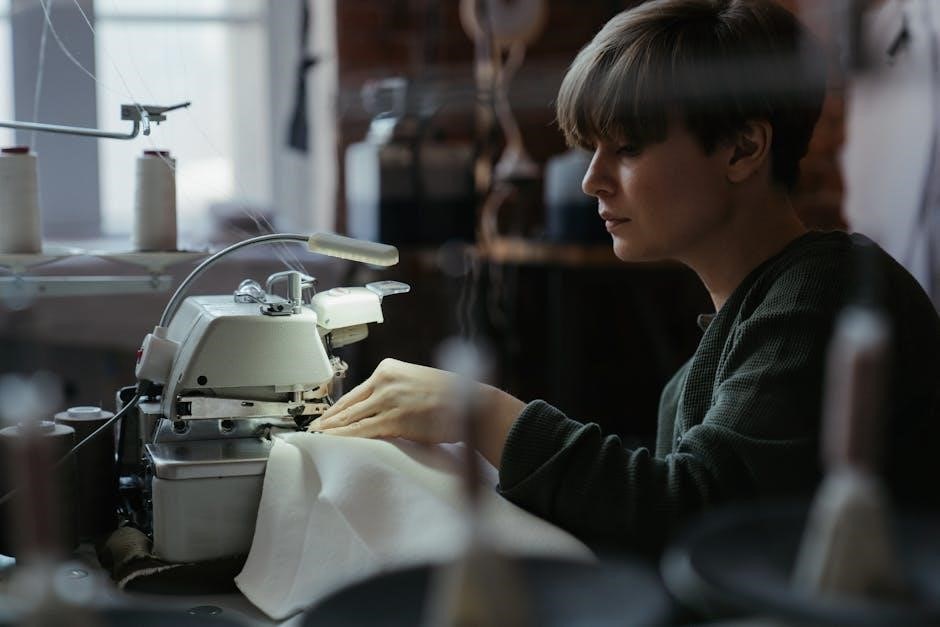
Routine cleaning and proper oiling are paramount for maximizing your Kenmore 385’s longevity. These robust machines‚ often inherited and functional for decades‚ thrive on consistent attention. Regularly clear lint and dust from the bobbin area and feed dogs with a brush or vacuum; this prevents buildup that can impede stitch quality and strain the motor.
Oiling specific internal components is equally crucial. Always consult your user manual for precise lubrication points. If unavailable‚ online resources like YouTube tutorials for Kenmore 385 series machines offer excellent visual guides for correct oiling‚ making the task manageable.
Beyond internal maintenance‚ always utilize sharp‚ project-appropriate needles. Dull or incorrect ones stress the machine‚ affecting stitch quality and causing damage. Store your machine covered in a dry environment to prevent dust and wear. Adhering to these tips ensures it remains a dependable‚ efficient tool for diverse sewing tasks for many years.
Finding Compatible Parts and Presser Feet
Locating compatible parts and presser feet for your Kenmore 385 sewing machine is often straightforward‚ thanks to its Janome origins. The “385” prefix signifies that Janome manufactured the machine for Sears‚ meaning many Janome low-shank presser feet will be directly compatible. This significantly broadens your options when seeking accessories or replacements‚ as these are widely available.
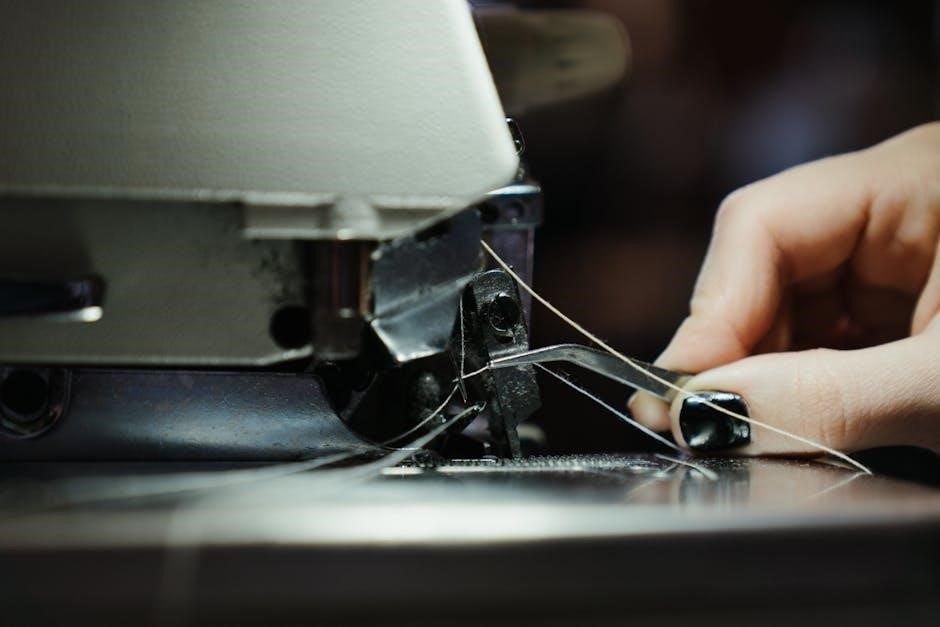
For specific replacement parts‚ identifying your full model number is essential. This number typically appears after “385.” or “385 ” and includes several digits‚ such as 385.15358. Websites like Sewing Parts Online are excellent resources; a direct link for Kenmore 385.15358 parts is readily available‚ offering a comprehensive selection of components and essentials.
Additionally‚ SearsPartsDirect.com remains a valuable hub for finding parts numbers and accessories like cams and feet‚ especially if you have the complete model number. Even if your specific sub-model isn’t listed‚ cross-referencing with other 385 series machines or generic Janome low-shank parts often yields success. Don’t hesitate to explore online sewing communities‚ as experienced users frequently share insights on compatible parts and upgrades.