Roomba 650 Owners Manual: A Comprehensive Guide
Welcome! This detailed manual unlocks your Roomba 650’s potential‚ offering guidance on features‚ setup‚ operation‚ and maintenance for optimal cleaning performance.
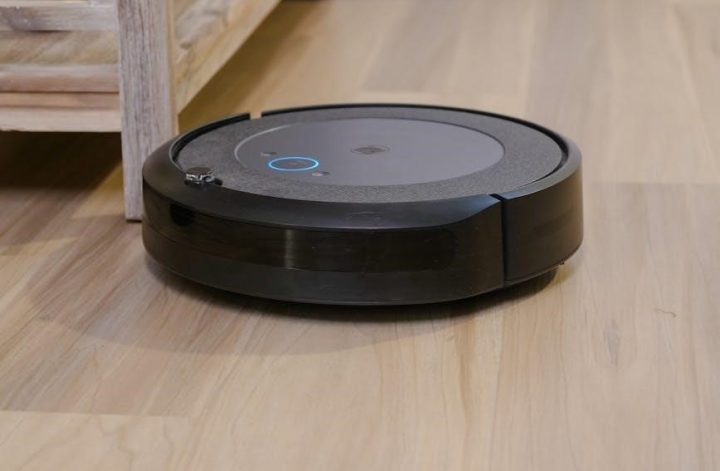
Congratulations on welcoming the Roomba 650 into your home! This robotic vacuum cleaner is designed to simplify your life and effortlessly maintain clean floors. The Roomba 650 represents a fantastic entry point into the world of robotic cleaning‚ offering reliable performance and convenient automation.

This guide serves as your comprehensive resource‚ providing step-by-step instructions and valuable insights to ensure you get the most out of your new cleaning companion. Whether you’re a first-time robot vacuum owner or familiar with the technology‚ this manual will cover everything from initial setup and daily operation to troubleshooting and maintenance.
Prepare to experience the freedom of automated cleaning and enjoy more free time‚ knowing your floors are consistently cared for by the intelligent Roomba 650. Let’s begin your journey to a cleaner‚ more relaxed home!
What’s in the Box? ー Unboxing Your Roomba
Carefully unpack your Roomba 650 and verify that all components are present. Your package should include the following items: the Roomba 650 robotic vacuum‚ one Home Base charging station‚ a power cord for the Home Base‚ one dual-mode brush‚ and one HEPA filter already installed within the dustbin.
You should also find an owner’s manual – this document! – and potentially some additional documentation like warranty information or quick start guides. Inspect each item for any signs of damage during shipping. If anything is missing or appears damaged‚ immediately contact iRobot customer support for assistance.
Retain the original packaging for potential future use‚ such as warranty claims or if you need to transport your Roomba. Familiarize yourself with each component before proceeding to the setup stage. Proper unboxing ensures a smooth start to your robotic cleaning experience.
Roomba 650 Key Features & Benefits
The Roomba 650 is designed for effortless floor cleaning. Its 3-Stage Cleaning System effectively lifts dirt‚ dust‚ and debris from various floor types – hardwood‚ tile‚ and carpet. The dual-mode brush combines power brushes to agitate and lift dirt‚ while suction pulls it into the dustbin.
Benefit from its iAdapt Navigation‚ which allows Roomba to intelligently navigate your home‚ covering more area efficiently. The Cliff Detect sensors prevent falls down stairs and off ledges. Enjoy the convenience of scheduled cleaning; set it and forget it!
The Roomba 650 boasts a full suite of sensors‚ ensuring comprehensive coverage and obstacle avoidance. It’s a simple‚ yet powerful solution for maintaining cleaner floors with minimal effort‚ freeing up your time for more enjoyable activities. Experience the ease of automated cleaning today!
Understanding the Roomba 650 Components
The Roomba 650 comprises several key components working in harmony. The Cleaning Head Module houses the brushes and suction motor‚ responsible for dirt removal. Above that sits the Dustbin‚ collecting debris‚ and featuring a washable filter to trap fine particles.
Powering the robot is the Battery‚ rechargeable via the Charging Base (Home Base). The exterior shell protects internal mechanisms‚ while strategically placed Cliff Sensors prevent accidental falls. The top panel features intuitive control buttons for operation.
Understanding these parts is crucial for maintenance and troubleshooting. Familiarize yourself with their locations and functions to maximize your Roomba’s lifespan and cleaning performance. Regular inspection of each component ensures optimal operation and prevents potential issues.
The Cleaning Head Module
The Cleaning Head Module is the heart of your Roomba 650’s cleaning power. It features a rotating Side Brush‚ extending reach along edges and corners‚ sweeping debris towards the main brushes. Two counter-rotating Brushes actively agitate and lift dirt‚ dust‚ and pet hair from floors.
A powerful Suction Motor creates vacuum pressure‚ drawing collected debris into the Dustbin. The module’s design allows it to adapt to various floor types – hardwood‚ carpet‚ and tile – ensuring effective cleaning across your home. Regular inspection and cleaning of these components are vital.
Ensure brushes spin freely and are free from tangled hair or debris. A properly functioning Cleaning Head Module guarantees optimal dirt pickup and a consistently clean floor.
The Dustbin & Filter
The Dustbin efficiently collects dirt‚ dust‚ and debris sucked up by the Roomba 650. It’s easily removable for convenient emptying. Regularly emptying the dustbin – after each cleaning cycle is recommended – maximizes cleaning performance and prevents suction loss. A full dustbin significantly reduces the Roomba’s effectiveness.
The Filter plays a crucial role in trapping fine dust particles and allergens‚ ensuring cleaner air in your home. It’s located within the dustbin compartment. The filter requires periodic cleaning or replacement – approximately every two months‚ depending on usage – to maintain optimal air filtration.
A clogged or dirty filter restricts airflow‚ impacting suction power. Always ensure the filter is properly seated and clean for best results.
The Battery & Charging Base
The Roomba 650 utilizes a rechargeable Ni-MH battery‚ providing power for cleaning cycles. Battery life varies depending on usage and age. Over time‚ the battery’s capacity will naturally diminish‚ requiring eventual replacement. Avoid deep discharging the battery to prolong its lifespan; frequent charging is recommended.
The Home Base serves as both a charging station and a docking point for the Roomba. Proper placement is crucial – against a wall‚ with ample clear space on either side. The Roomba automatically returns to the Home Base when the battery is low or after completing a cleaning cycle.
Ensure the Home Base is connected to a power outlet and that the charging contacts are clean for optimal charging efficiency. A solid connection is vital for reliable operation.
Setting Up Your Roomba 650
Before your first cleaning cycle‚ a few simple steps are required to prepare your Roomba 650. First‚ remove the protective strips from the bumper and any packaging materials. Next‚ ensure the battery is sufficiently charged by placing the Roomba on the Home Base – allow several hours for a full charge.
Carefully inspect the cleaning head module‚ ensuring brushes are correctly installed and free from obstructions. Confirm the dustbin is properly inserted and empty. Finally‚ position the Home Base in a central‚ accessible location‚ following the guidelines in the ‘Placing the Home Base’ section.
With these initial steps completed‚ your Roomba is ready for its first cleaning adventure! Remember to familiarize yourself with the basic controls before initiating a cleaning cycle.
Charging the Battery
Proper battery charging is crucial for optimal Roomba 650 performance. To charge‚ simply place the Roomba onto the Home Base‚ ensuring the charging contacts on both the robot and the base are aligned. A solid light on the Home Base indicates a successful connection and charging is in progress.
A full charge typically takes several hours‚ but the Roomba can operate while on the Home Base‚ effectively staying ready for cleaning. It’s recommended to allow a complete charge before the initial use. The battery indicator light on the Roomba will change to indicate charging status – consult the ‘Understanding Roomba 650 Components’ section for light interpretations.
Regularly returning the Roomba to the Home Base ensures it remains powered and prepared for scheduled or on-demand cleaning sessions.
Placing the Home Base
Strategic placement of the Home Base is vital for consistent Roomba 650 operation. Choose a central‚ open location with at least 3 feet of clear space on either side and 6 feet of clear space in front. Avoid placing it in direct sunlight or obstructing doorways.
Ensure the Home Base is on a hard‚ level surface; carpets can interfere with the charging signal. A dedicated outlet is recommended‚ as the Home Base should remain continuously plugged in. Avoid using extension cords if possible.
The Home Base emits a signal that guides the Roomba back for docking and charging. Obstructions or interference can hinder this process‚ so a clear‚ unobstructed area is essential for reliable performance. Consider the robot’s cleaning path when selecting a location.
Operating the Roomba 650 ー Basic Controls

The Roomba 650 boasts simple‚ intuitive controls for effortless operation. The primary control is the Clean button‚ initiating an automatic cleaning cycle of your entire floor. A single press starts the Roomba on its programmed cleaning route‚ navigating around furniture and obstacles.
For targeted cleaning‚ utilize the Spot Clean mode. This concentrates cleaning efforts on a specific area‚ approximately 3 feet in diameter – ideal for spills or heavily soiled spots. Pressing the Spot Clean button directs the Roomba to spiral outwards‚ thoroughly cleaning the designated zone.
The Docking/Home button serves a dual purpose. When pressed during operation‚ it instructs the Roomba to return to the Home Base for charging. If pressed while docked‚ it initiates a cleaning cycle. Understanding these basic controls unlocks the full potential of your Roomba 650.
The Clean Button
The Clean button is the heart of your Roomba 650’s operation‚ initiating a full cleaning cycle with a simple press. Located prominently on the top of the robot‚ this button activates the pre-programmed cleaning routine‚ sending Roomba on a systematic path across your floors.
Upon pressing the Clean button‚ Roomba will begin navigating your home‚ intelligently bouncing off obstacles and adjusting its path to maximize coverage. It seamlessly transitions between floor types‚ adapting its cleaning power as needed; The button illuminates briefly to confirm activation;
If Roomba is currently docked‚ pressing the Clean button will release it from the Home Base and begin the cleaning cycle immediately. It’s the most straightforward way to enjoy automated floor cleaning‚ making your life easier and your home spotless. A single press is all it takes!

Spot Clean Mode
Spot Clean Mode is ideal for tackling localized messes – crumbs under the kitchen table‚ spilled pet food‚ or tracked-in dirt. Activated by pressing the ‘Spot Clean’ button‚ Roomba 650 will focus its cleaning power on a concentrated‚ circular area approximately 3 feet (1 meter) in diameter.
This mode is particularly useful when you don’t need a full house cleaning‚ but require immediate attention to a specific area. Roomba will diligently scrub the targeted zone‚ ensuring thorough removal of debris. It operates for approximately 30 minutes in Spot Clean mode.
To initiate‚ ensure Roomba is not on the Home Base. Pressing the Spot Clean button sends it spiraling outwards‚ cleaning intensely before returning to its starting point. It’s a quick and efficient solution for everyday spills and messes‚ offering targeted cleaning power when and where you need it.
Docking/Home Button
The Docking/Home Button serves a crucial function: returning your Roomba 650 to its Home Base for recharging. When pressed‚ Roomba will cease its current cleaning cycle and embark on a search for the base‚ utilizing its built-in navigation system.
This button is invaluable when the battery is running low‚ or you wish to interrupt a cleaning cycle. Roomba will attempt to locate the Home Base even if it’s been moved slightly. A successful docking will initiate the charging process‚ preparing the robot for its next cleaning session.

The Home Base acts as Roomba’s ‘home‚’ providing a consistent location for recharging and resuming cleaning. Pressing the button ensures Roomba always has a designated return point‚ maintaining its operational readiness. It’s a simple yet essential feature for convenient‚ automated cleaning.
Maintaining Your Roomba 650 ー Regular Cleaning
Consistent maintenance is key to maximizing your Roomba 650’s lifespan and cleaning performance. Regular cleaning prevents dust and debris buildup‚ ensuring optimal suction and efficient operation. This involves several simple‚ yet vital‚ tasks performed on a routine basis.
Prioritize emptying the dustbin after each cleaning cycle‚ or more frequently if you have pets or a dusty home. Regularly cleaning the brushes – removing tangled hair and debris – prevents motor strain and maintains effective floor contact. Don’t forget the filters; cleaning them every few weeks‚ or replacing them as needed‚ ensures air purification and sustained suction power.
A well-maintained Roomba delivers superior cleaning results and avoids premature wear and tear. Following these simple steps will keep your robotic vacuum functioning at its best for years to come.
Emptying the Dustbin
Regularly emptying the Roomba 650’s dustbin is crucial for maintaining optimal suction power and cleaning performance. A full dustbin restricts airflow‚ diminishing cleaning effectiveness and potentially straining the vacuum’s motor. This is a quick and easy process‚ ideally performed after each cleaning cycle‚ or whenever the Roomba signals it’s full.
To empty‚ remove the dustbin from the Roomba by pressing the release button. Open the dustbin door‚ allowing debris to fall into a trash receptacle. For stubborn dust‚ gently tap the bin. Inspect the filter within the dustbin and remove any visible debris. Ensure the filter is properly seated before reassembling.

Reinsert the empty dustbin into the Roomba until it clicks securely into place. A clean dustbin ensures your Roomba operates efficiently‚ delivering consistently powerful cleaning results.
Cleaning the Brushes
Maintaining clean brushes is vital for the Roomba 650’s effective dirt and debris pickup. Hair‚ fibers‚ and dust can easily become tangled around the brushes‚ reducing their efficiency and potentially damaging the motors. Regular cleaning – ideally weekly‚ or more often with heavy shedding pets – ensures optimal performance.

Turn off the Roomba and remove the brush module. Carefully detach the brushes‚ noting their correct orientation. Use the provided cleaning tool (or scissors) to cut and remove any wrapped hair or fibers. Inspect the brush caps for debris buildup and clean as needed.
Reinstall the brushes‚ ensuring they click securely into place. Clean brushes rotate freely‚ effectively agitating dirt for powerful suction. Consistent brush maintenance extends the life of your Roomba and maximizes its cleaning capabilities.
Cleaning the Filters
Maintaining a clean filter is crucial for your Roomba 650’s suction power and overall performance. A clogged filter restricts airflow‚ diminishing cleaning effectiveness and potentially straining the vacuum motor. Regular filter cleaning – at least every two weeks‚ or more frequently in dusty environments – is highly recommended.
Remove the dustbin and locate the filter. Gently tap the filter against a trash can to dislodge loose debris. Do not wash the filter with water‚ as this can damage it. For a more thorough cleaning‚ use a soft brush to remove remaining dust.
Replace the filter every two months‚ or sooner if visibly dirty. A clean filter ensures optimal suction‚ efficient cleaning‚ and prolongs the lifespan of your Roomba 650. Ignoring filter maintenance leads to reduced cleaning power and potential damage.
Troubleshooting Common Issues
Encountering problems with your Roomba 650? This section addresses frequent concerns. If your Roomba won’t turn on‚ ensure the battery is fully charged and properly connected to the charging base. Check for obstructions around the charging contacts.
Decoding error messages is key. Refer to the Roomba’s display or the iRobot HOME App for specific error codes and their meanings. Common errors relate to brush entanglement‚ full dustbin‚ or wheel obstructions.
Poor cleaning performance often stems from a full dustbin‚ dirty filters‚ or tangled brushes. Regularly empty the dustbin‚ clean the filters‚ and remove any debris wrapped around the brushes. If issues persist‚ consult the iRobot support website for further assistance and detailed troubleshooting guides.
Roomba Won’t Turn On
Is your Roomba 650 refusing to power on? Don’t worry‚ several simple checks can resolve this. First‚ verify the battery is adequately charged. Place the Roomba on the Home Base and allow it to charge for several hours‚ ensuring a solid connection between the robot and the base’s charging contacts.
Inspect the power adapter and outlet. Confirm the adapter is securely plugged into both the Home Base and a functioning wall outlet. Try a different outlet to rule out electrical issues.
Check for obstructions around the charging contacts on both the Roomba and the Home Base. Clean them gently with a dry cloth. If the problem persists‚ try a soft reset by holding the ‘Clean’ button for 20 seconds. Contact iRobot support if these steps fail.
Error Messages & What They Mean
Your Roomba 650 communicates issues through error messages‚ indicated by a flashing light and sometimes an audible beep. A “bump” error (flashing red) suggests an obstruction is hindering movement; clear the area. A “wheel” error (alternating red/yellow) indicates a wheel is stuck or needs cleaning – inspect and remove debris.
A “cliff” error (solid red) means the Roomba detected a drop-off. Ensure the sensors are clean; The “full bin” error (flashing yellow) requires emptying the dustbin. If you see a “brush” error (alternating red/blue)‚ check for tangled brushes.
Refer to the iRobot support website for a comprehensive list of error codes and detailed troubleshooting steps. Ignoring error messages can lead to reduced cleaning performance or damage to your Roomba.
Poor Cleaning Performance
Experiencing less-than-stellar cleaning results? Several factors could be at play. First‚ ensure the dustbin is empty and the filter is clean – a full bin drastically reduces suction. Next‚ inspect the brushes for tangles‚ hair‚ or debris; clean them thoroughly. Worn brushes need replacing for optimal performance.
Check the cleaning head module for obstructions. Also‚ confirm the side brush is spinning freely. Floor type impacts cleaning; Roomba excels on hard floors and low-pile carpets. For thicker carpets‚ more frequent cleaning passes may be needed.
Finally‚ ensure the sensors are clean to allow for efficient navigation. Regularly maintaining your Roomba 650 will significantly improve its cleaning effectiveness and prolong its lifespan;
Replacing Parts & Accessories
Maintaining peak performance requires periodic replacement of wear-and-tear components. Brushes‚ filters‚ and dustbins are the most common items needing attention. Brushes should be replaced every 6-12 months‚ depending on usage and floor type. Filters require changing every 2 months to maintain optimal suction.

Dustbins‚ while durable‚ may crack or wear over time and should be replaced as needed. Replacement parts are readily available through the iRobot website or authorized retailers. Always use genuine iRobot parts to ensure compatibility and performance.
Battery life diminishes over time; a replacement battery can restore your Roomba’s runtime. Refer to the iRobot support website for part numbers and installation guides. Regular replacement ensures continued efficient cleaning.
Safety Information & Warnings
To ensure safe operation‚ always supervise children and pets during Roomba’s use. Avoid operating the Roomba in areas with exposed electrical wiring or loose liquids. Do not use it to clean up flammable materials or hazardous substances.
Before cleaning or maintenance‚ always switch off the Roomba and remove the battery. Do not attempt to disassemble or repair the Roomba beyond the scope of this manual. Modifications can void the warranty and pose safety risks.
Keep the charging base away from water sources and ensure proper ventilation. Only use the provided power adapter. Discontinue use if the battery shows signs of damage or leakage. Always follow these guidelines for a safe cleaning experience.