what is linearised pdf

Linearised PDFs optimize file access‚ enabling faster viewing and processing‚ particularly for large documents. This technique rearranges data for efficient streaming‚ improving performance.

What is a PDF?

PDF‚ or Portable Document Format‚ is a file format developed by Adobe in the 1990s to present documents‚ including text formatting and images‚ in a manner independent of application software‚ hardware‚ and operating systems.

Initially conceived to exchange documents reliably‚ PDFs have become a ubiquitous standard for document distribution. They encapsulate all necessary elements – fonts‚ vector graphics‚ raster images‚ and even interactive form fields – within a single file. This ensures consistent rendering across different platforms.

However‚ traditional PDFs can be inefficient for online viewing‚ requiring the entire file to be downloaded before display. Linearisation addresses this by restructuring the PDF’s internal data‚ allowing for progressive loading and faster initial rendering. This optimization is crucial for large documents and web-based applications‚ enhancing user experience by reducing wait times and improving responsiveness.

The Need for Linearisation

Linearisation becomes essential when dealing with large PDF documents‚ particularly those intended for online distribution or quick access. Traditional PDF structures often store data sequentially‚ necessitating a complete download before viewing begins. This poses significant delays for users with slower internet connections or when accessing extensive reports.

The core need stems from improving the user experience. Linearised PDFs rearrange internal data‚ enabling progressive rendering – meaning the initial pages can be displayed while subsequent pages continue downloading in the background. This “streaming” capability dramatically reduces perceived loading times.

Furthermore‚ linearisation is vital for applications like web browsers and document viewers‚ allowing for efficient handling of large files without consuming excessive system resources. It’s particularly beneficial in fields like hyperspectral image analysis and dermatological research‚ where PDFs often contain substantial datasets requiring rapid access and processing.

Understanding Linearisation Techniques

Linearisation techniques involve restructuring PDF data using methods like spectral mixture analysis‚ regression algorithms‚ and applying linear equations and transformations for optimized access.

Linear Spectral Mixture Analysis

Linear Spectral Mixture Analysis (LSMA) is a powerful technique utilized in processing hyperspectral images‚ and its principles extend to understanding linearised PDF structures. This method assumes that each pixel’s spectral signature is a linear combination of endmember spectra – representing pure materials or components within the scene.

In the context of PDFs‚ LSMA can be conceptually applied to decompose complex data streams into simpler‚ manageable components. Algorithms developed for hyperspectral image analysis‚ as highlighted in research by A.Yu. Denisova (2014)‚ can be adapted to identify and isolate key data elements within a PDF.

By representing the PDF data as a mixture of linear components‚ efficient access and manipulation become possible. This approach facilitates faster retrieval of specific information and streamlines processing tasks. The core idea revolves around finding the optimal weights for each endmember to accurately reconstruct the original data‚ mirroring the principles of linearisation.

Linear Regression Algorithms in PDF Processing

Linear Regression‚ a fundamental statistical method‚ finds application in PDF processing‚ particularly when dealing with data optimisation and prediction related to linearisation. Algorithms like those implemented in SAS Enterprise Guide 6.1 can be leveraged to analyse and model relationships within PDF data streams.

The core principle involves establishing a linear equation that best represents the correlation between variables. In the context of PDFs‚ this could relate to predicting file size reduction based on linearisation parameters‚ or modelling the relationship between data compression levels and access speeds.

By applying linear regression‚ developers can identify optimal settings for linearisation techniques‚ maximizing efficiency and minimizing processing time. This analytical approach allows for a data-driven understanding of how different linearisation strategies impact PDF performance‚ ultimately leading to improved user experience and resource utilization.

Linear Equations and Their Role

Linear Equations form the mathematical bedrock of PDF linearisation‚ defining relationships crucial for data manipulation and optimisation. A linear equation‚ expressed as ax + b = c‚ represents a straight-line relationship between variables – a fundamental concept in understanding how PDF data is restructured.

During linearisation‚ these equations are used to model and predict the impact of transformations on the PDF’s internal structure. They help define how data objects are reordered and referenced‚ ensuring efficient access without compromising file integrity.

Understanding these equations is vital for developers aiming to fine-tune linearisation processes. They allow for precise control over data compression‚ streaming‚ and overall file size reduction. The document discussing linear equations in one variable highlights their foundational importance in mathematical modelling‚ directly applicable to PDF optimisation techniques.

Linear Transformations in PDF Data

Linear Transformations are pivotal in the process of PDF linearisation‚ fundamentally altering how data is organised for optimised access. These transformations‚ including scaling‚ rotation‚ and translation‚ are applied to PDF objects to create a more streamlined structure.

The core principle involves mapping PDF data points from their original coordinates to new ones‚ maintaining straight lines and parallel relationships. This ensures that the visual integrity of the document remains intact while enhancing its performance characteristics.

As defined in related documentation‚ understanding inverse linear transformations‚ kernels‚ and ranges is crucial for developers. These concepts allow for precise control over the linearisation process‚ enabling efficient data compression and faster rendering. Applying these transformations effectively is key to achieving significant improvements in PDF file size and accessibility.

Applications of Linearised PDFs

Linearised PDFs find use in diverse fields like hyperspectral image analysis‚ dermatological research (LAD-1 antigen studies)‚ and control systems‚ enhancing data processing speed.

Hyperspectral Image Analysis

Hyperspectral image analysis benefits significantly from linearised PDF techniques‚ particularly when dealing with the massive datasets these images generate. Algorithms for linear spectral mixture analysis‚ crucial for identifying materials within the images‚ become more efficient. The ability to quickly access and process spectral data is paramount‚ and linearisation addresses this need directly.


Specifically‚ research by A.Yu. Denisova (2014) highlights algorithms utilizing base maps within linear spectral mixture analysis‚ demonstrating the practical application of these methods. Linearisation allows for streamlined data access‚ reducing processing times and enabling real-time or near-real-time analysis of complex hyperspectral scenes. This is vital in applications ranging from environmental monitoring to precision agriculture‚ where timely insights are critical. The efficient handling of large PDF files containing hyperspectral data is therefore a key advantage.

Furthermore‚ the optimized data structure facilitates easier integration with other analytical tools and software packages commonly used in remote sensing and image processing workflows.

Dermatological Research (LAD-1 Antigen)

Dermatological research‚ specifically investigations into the LAD-1 antigen and linear IgA bullous dermatosis‚ can leverage the benefits of linearised PDFs for efficient data management and dissemination. Studies‚ such as those conducted by L.F. Znamenskaya (2018)‚ often involve complex datasets detailing protein synthesis and epidermal cell analysis. Linearisation ensures rapid access to crucial research findings documented within PDF reports.

The antigen‚ a 120-kDa anchoring filament protein‚ requires detailed documentation of experimental results‚ often presented in extensive PDF formats. Linearised PDFs facilitate quicker loading and navigation through these reports‚ enabling researchers to efficiently review findings and collaborate effectively. This is particularly important when analyzing large volumes of data related to protein structures and immunological responses.

Faster access to this information accelerates the pace of discovery and contributes to a more streamlined research process within the field of dermatology.

Control Systems and Feedback Design

In the realm of control systems and feedback design‚ particularly within linear discrete time-invariant systems‚ linearised PDFs play a crucial role in efficient documentation and analysis. Research‚ as highlighted by V.A. Mozzhechkov (2023)‚ often involves complex mathematical models and simulations presented in detailed PDF reports.

Linearisation of these PDFs ensures rapid access to the system’s desired behavior definitions and the intricacies of static feedback design. This is vital when dealing with extensive documentation outlining system parameters‚ stability analyses‚ and control algorithms. The ability to quickly navigate through these reports accelerates the design and implementation process.

Faster access to this information streamlines the workflow for engineers and researchers‚ enabling quicker iterations and improvements in control system performance and overall system optimization.

Technical Aspects of Linearisation

Linearisation involves constructing Linear Differential Equations (LDEs)‚ as demonstrated by A.V. Schmidt (2007)‚ and creating linear gradients for precise adjustments within PDF data.

Constructing Linear Differential Equations (LDEs)

Linear Differential Equations (LDEs) play a crucial role in modelling and analyzing dynamic systems represented within a linearised PDF framework. As highlighted by A.V. Schmidt (2007)‚ constructing these equations for complex systems‚ such as those involving two second-order evolutionary equations‚ allows for a simplified representation of their behavior.

The process involves approximating non-linear relationships with linear ones‚ enabling the application of powerful analytical tools. Solving these LDEs provides insights into the system’s stability‚ response to inputs‚ and overall characteristics. The results‚ as presented in Schmidt’s work‚ are particularly valuable for two-component systems‚ offering a foundational understanding of their dynamics.

Furthermore‚ the creation of LDEs facilitates the design of control systems‚ as demonstrated by V.A. Mozzhechkov (2023)‚ where desired system behavior is defined and achieved through careful manipulation of these linear equations. This approach is essential for achieving precise and predictable outcomes in various applications.

Creating Linear Gradients for Adjustments

Linear gradients within a linearised PDF context offer a powerful method for targeted image adjustments. This technique‚ as described in available documentation‚ allows for precise control over modifications applied to specific areas of an image‚ rather than a uniform effect across the entire document.

By defining a gradient‚ users can smoothly transition between adjustment levels‚ creating natural-looking enhancements. For instance‚ brightening a landscape photograph’s foreground while leaving the sky untouched becomes easily achievable. This selective adjustment capability is particularly useful for correcting exposure imbalances or enhancing specific features.

The creation of these gradients leverages the linear nature of the adjustment process‚ ensuring a predictable and visually appealing outcome. This approach is a cornerstone of advanced image editing workflows within PDF applications‚ providing a flexible and intuitive way to refine visual content. It’s a key element in optimizing PDF presentation.

Linear Motion Concepts in PDF Representation

Linear motion concepts‚ while seemingly unrelated‚ find relevance in understanding how data is structured within a linearised PDF. The core idea revolves around sequential access – data elements are arranged in a specific order‚ much like objects moving along a line. This parallels the definition of linear motion‚ focusing on scalar and vector quantities.

In PDF representation‚ ‘distance’ can be equated to the file offset‚ and ‘displacement’ to the change in offset when navigating through the document’s structure. Linearisation optimizes this sequential access‚ reducing the ‘distance’ needed to reach specific content. This is achieved by rearranging data for faster retrieval.

Understanding these concepts helps visualize how linearisation improves performance. By minimizing the ‘travel’ required to access information‚ the PDF loads and displays more efficiently. It’s a subtle but crucial connection between physics-based concepts and digital file optimization.

Challenges and Future Directions

Linearisation faces limitations with complex PDFs and compression. Future trends involve smarter algorithms and improved compression techniques for enhanced efficiency and broader applicability.

Limitations of Linearisation

Despite its benefits‚ linearisation isn’t a universal solution and presents several limitations. Complex PDF structures‚ particularly those with intricate interactive elements or heavy reliance on cross-references‚ can hinder effective linearisation. The process may not significantly reduce file size for already highly compressed PDFs‚ and in some instances‚ can even slightly increase the file size due to the overhead of the linearisation process itself.

Furthermore‚ certain PDF features‚ like JavaScript or embedded multimedia‚ can pose challenges. The rearrangement of data during linearisation might disrupt the functionality of these elements if not handled carefully. Compatibility issues can also arise with older PDF viewers or processing tools that aren’t fully compliant with the linearised PDF standard.

The effectiveness of linearisation is also dependent on the initial PDF structure; poorly constructed PDFs may not benefit as much from the process. Finally‚ while linearisation improves initial loading times‚ it doesn’t address underlying inefficiencies in the PDF’s content itself.

Emerging Trends in PDF Linearisation

Current advancements focus on intelligent linearisation techniques that go beyond simple data reordering. These involve adaptive algorithms that analyze PDF content to optimize the linearisation process for specific file types and structures‚ maximizing performance gains. Research explores integrating linearisation with advanced compression methods‚ like those used in image and video processing‚ to achieve even greater file size reductions.

Another trend is the development of tools that automate the linearisation process‚ making it more accessible to users without specialized technical expertise. Cloud-based linearisation services are also emerging‚ offering scalable solutions for processing large volumes of PDFs. Furthermore‚ there’s growing interest in combining linearisation with PDF optimization techniques‚ such as removing redundant data and flattening layers.

Future developments may involve leveraging machine learning to predict optimal linearisation strategies based on PDF characteristics‚ leading to more efficient and effective results.

Continue Reading

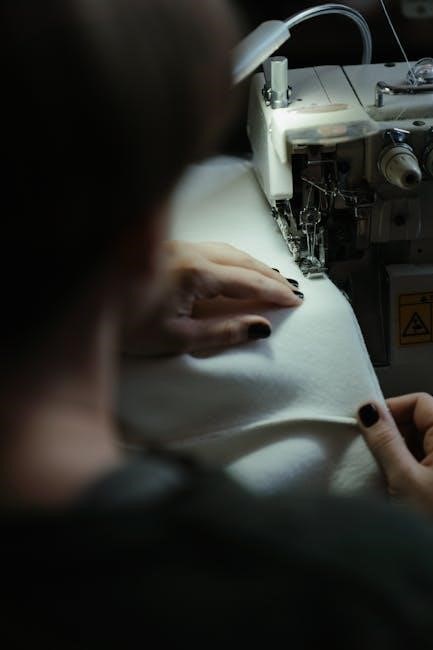
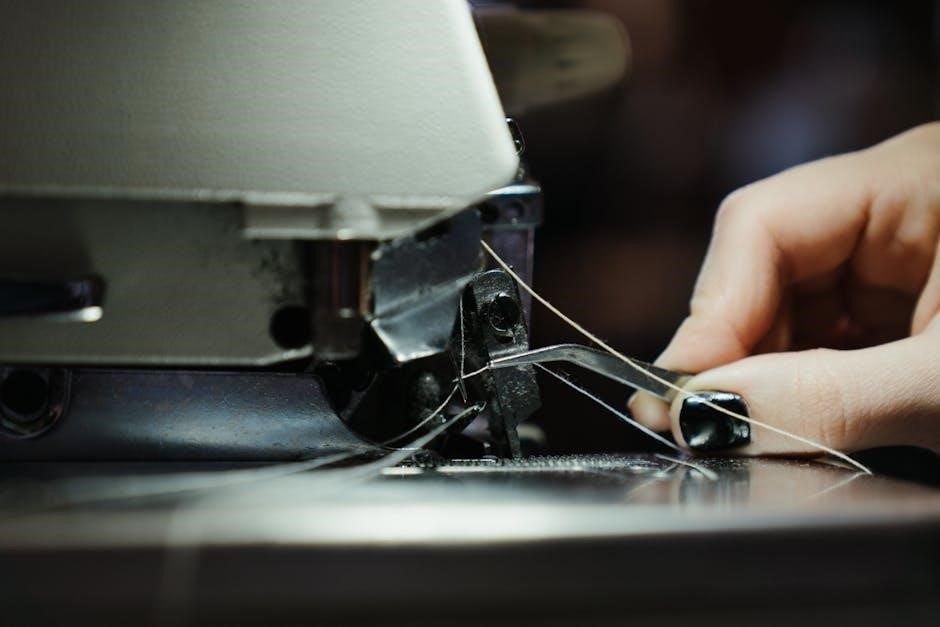
manual for kenmore 385 sewing machine

Understanding Your Kenmore 385 Sewing Machine

The Kenmore 385 series‚ often found as models like 385.15358‚ was manufactured by Janome for Sears. These machines‚ typically produced around 2000-2010‚ are known as decent‚ basic‚ low-shank models. They perform well on various fabrics from denim to canvas.

Identification‚ Janome Origin‚ and Key Characteristics

Kenmore 385 series sewing machines are primarily identified by their “385” prefix‚ which denotes their manufacturing origin: Janome produced these units for Sears. Specific models‚ like the 385.15358 or 385.17626890‚ feature a longer number after the “385.” These machines were typically manufactured and often reconditioned by Janome between approximately 2000 and 2010. During this period‚ Kenmore’s brand status allowed Janome to re-badge machines‚ a transition sometimes visible by faint Kenmore branding beneath new badging.

Key characteristics highlight their dependable‚ basic design‚ often featuring a center needle and low bar configuration. They are highly regarded for their robust performance across diverse fabrics‚ capably handling everything from lighter textiles to demanding materials such as X-pac‚ heavy DCF‚ denim‚ and medium-weight canvas. Owners frequently attest to their impressive longevity and reliability. A significant advantage is their compatibility with Janome low-shank presser feet‚ broadening their functional scope. Some models also incorporate a one-step buttonhole mechanism‚ though its operational consistency might vary‚ contributing to a versatile and enduring sewing experience.

Accessing and Interpreting Your User Manual

Accessing the manual for your Kenmore 385 is crucial. Free PDF downloads are available online for models like 385.15358. These manuals provide comprehensive instructions for setup‚ use‚ maintenance‚ and troubleshooting‚ ensuring optimal performance.

Sources for Free Online Manuals and PDF Downloads

Locating a free user manual for your Kenmore 385 series sewing machine is straightforward using various online resources. ManualsLib is a primary destination for many models‚ like the 385.15358. It provides comprehensive manuals‚ often with clickable tables of contents‚ simplifying navigation to sections on threading or stitch selection. These are typically available as instant PDF downloads‚ enabling you to save and print them for convenient offline reference during your sewing projects. This ensures continuous access to vital operational details‚ enhancing your sewing experience.

SearsPartsDirect.com is another valuable resource for Kenmore owners. Entering your precise Kenmore 385 model number (e.g.‚ 385.17620 or 385.15108200) often reveals the exact user manual‚ plus compatible parts details. Various online archives and specialized sewing machine parts retailers also host downloadable PDFs for diverse Kenmore 385 models. A web search with your full model number will frequently yield numerous reputable links. These digital copies offer essential operating instructions‚ troubleshooting advice‚ and maintenance guidance‚ all at no charge. Always verify the source for safe downloading of these important documents.

Comprehensive Manual Content Overview

The comprehensive user manual for your Kenmore 385 sewing machine serves as an indispensable resource‚ detailing its use and care. It commences with crucial safety instructions‚ underscoring household-only use and strict unplugging protocols for safety. Following this‚ the manual progresses into fundamental setup procedures‚ guiding users through preparing the machine for operation. Key sections dedicate to essential tasks like precise threading techniques‚ correct bobbin winding‚ and secure needle installation. Clear‚ illustrated instructions cover changing presser feet and selecting basic stitches‚ including straight and zigzag options. Advanced sewing functions are also covered‚ with specific guidance for mastering automatic buttonhole balance adjustments to achieve perfect buttonholes. Moreover‚ the manual provides invaluable troubleshooting charts to diagnose and resolve common operational problems‚ alongside detailed instructions for setting machine timing if adjustments are ever needed. Finally‚ it outlines routine maintenance practices‚ including cleaning and oiling‚ ensuring the machine’s longevity and consistent performance. This holistic overview empowers users to fully utilize and maintain their Kenmore 385.

Essential Machine Setup and Operation

This section is crucial for operating your Kenmore 385 safely and effectively. It covers essential setup: important safety practices‚ threading‚ bobbin winding‚ needle installation‚ changing presser feet‚ and basic stitch selection for all your sewing needs.

Important Safety Instructions and Best Practices

Operating your Kenmore 385 sewing machine safely is paramount for both your well-being and the machine’s longevity. Always treat your sewing appliance with care‚ understanding it is designed strictly for household use. A fundamental safety instruction is to consistently unplug the machine from the power outlet whenever it is not in active use. This crucial step prevents accidental starts and potential electrical hazards‚ especially when performing tasks like changing needles‚ presser feet‚ or cleaning. Furthermore‚ it is essential to unplug the machine before any maintenance‚ oiling‚ or troubleshooting to avoid injuries from moving parts. Keep fingers clear of the needle area and other moving components during operation. Ensure proper lighting in your workspace to reduce eye strain and improve visibility. Before starting any project‚ verify that the needle is correctly installed and not bent‚ which could cause breakage and potential injury. Also‚ maintain a clean and uncluttered sewing area‚ keeping fabrics and loose items away from the foot control and power cord. Never operate the machine if it exhibits unusual noises‚ slows down significantly‚ or if any parts are damaged; consult your manual or a qualified technician. Following these best practices will ensure a safe and enjoyable sewing experience with your Kenmore 385.

Threading‚ Bobbin Winding‚ and Needle Installation

Mastering the fundamental steps of threading‚ bobbin winding‚ and needle installation is essential for optimal performance of your Kenmore 385 sewing machine. Always begin by ensuring the machine is unplugged for safety‚ especially when handling needles. To install a new needle‚ insert it with the flat side facing the back‚ pushing it upward until it cannot go any further‚ then securely tighten the needle clamp screw. Selecting a sharp needle suitable for your specific project’s fabric is crucial to prevent skipped stitches and fabric damage. For bobbin winding‚ place your thread spool on the spool pin‚ guide the thread through the designated bobbin winding tension disc‚ and then wrap it around the empty bobbin. Position the bobbin onto the winder spindle and slide it to the right. Engage the machine to wind the bobbin evenly‚ then trim the thread and remove it. Finally‚ for upper thread threading‚ meticulously follow the numbered path illustrated in your machine’s manual‚ guiding the thread from the spool‚ through all tension discs‚ up through the take-up lever‚ down to the needle bar thread guide‚ and finally through the eye of the needle from front to back. Correct threading ensures proper tension and stitch formation.

Changing Presser Feet and Basic Stitch Selection

Changing presser feet on your Kenmore 385 is a straightforward process‚ crucial for different sewing tasks. These machines are generally compatible with Janome low-shank presser feet‚ offering a wide range of options beyond the standard zigzag foot. To change a foot‚ raise the needle to its highest position and lift the presser foot lever. Press the release button or lever at the back of the presser foot holder to detach the current foot. Align the new presser foot with the holder’s pin and lower the presser foot lever until it snaps securely into place. Always ensure the foot is firmly attached before starting to sew to prevent damage to the needle or machine.

For basic stitch selection‚ your Kenmore 385 typically features intuitive controls. Locate the stitch selector dial or buttons on your machine. Common selections include the straight stitch (often referred to as “puntada recta” in bilingual manuals)‚ essential for seams and topstitching‚ and the zigzag stitch‚ versatile for finishing edges‚ appliqué‚ and decorative work. Other basic stitches might include stretch stitches or utility stitches. Refer to your specific model’s manual for a comprehensive guide to available stitches and their recommended uses. Experiment with different stitch lengths and widths on scrap fabric to achieve desired results. Understanding these foundational adjustments will significantly enhance your sewing projects.

Advanced Sewing Functions and Adjustments

Beyond basic operations‚ Kenmore 385 machines offer advanced adjustments. Mastering automatic buttonhole balance is key for even bar tacks. Proper machine timing‚ like needle bar height and hook position‚ ensures smooth‚ reliable stitching.

Mastering Automatic Buttonhole Balance Adjustment

Mastering the automatic buttonhole function on your Kenmore 385 sewing machine often involves a crucial adjustment: the buttonhole balance. Many sewers encounter situations where the automatic buttonhole’s second bar tack‚ formed during the machine’s reverse travel‚ appears either too sparse or excessively tight. This imbalance occurs because fabric doesn’t always feed with perfect consistency in both forward and backward directions‚ leading to an uneven stitch density. Your Kenmore 385 is equipped with a specific control‚ often mistakenly identified as a feed dog drop‚ which is actually designed for balancing the automatic buttonhole stitch. Its primary function is to finely adjust the feed dogs’ travel when the machine moves in reverse. By carefully manipulating this adjustment‚ you can precisely “shrink” or “lengthen” the reverse stitch length‚ thereby correcting any disparities. This ensures that both the forward and reverse sections of your buttonhole‚ including the bar tacks‚ are uniform and aesthetically pleasing. This fine-tuning is vital for professional garment results. Always refer to the dedicated buttonhole chapter in your Kenmore 385 user manual for detailed instructions and diagrams. Experimentation on scrap fabric is highly recommended to achieve the optimal‚ perfectly balanced buttonhole finish every time. Understanding this adjustment elevates your sewing precision.

Troubleshooting and Setting Machine Timing

Machine timing is a critical factor for the smooth operation and stitch quality of your Kenmore 385 sewing machine. When the timing is off‚ you might experience various frustrating issues‚ such as skipped stitches‚ thread breakage‚ loud operation‚ or the machine sewing unusually slowly. A common indicator of incorrect timing involves the synchronized movement between the needle and the rotary hook. Specifically‚ when the needle reaches its absolute lowest point‚ particularly in its left-most position‚ the tip of the hook should be precisely positioned about 3 mm to the left of the needle. This precise alignment is fundamental for the hook to correctly catch the thread loop formed by the needle‚ creating a secure stitch. While needle bar height can also influence stitch formation‚ the basic hook timing is the foundational adjustment that must be set correctly first. If you suspect timing problems‚ or if your machine is not performing as it should even after minor adjustments‚ consulting your manual for specific steps or seeking professional service is advisable. Incorrect timing can lead to significant sewing frustrations and potential damage if not addressed.

Machine Maintenance and Parts Sourcing

Routine cleaning and oiling are vital for your Kenmore 385’s longevity‚ with online guides simplifying the process. Compatible parts‚ including Janome low-shank presser feet and specific model replacements‚ are readily sourced from specialized retailers.

Routine Cleaning‚ Oiling‚ and Longevity Tips

Routine cleaning and proper oiling are paramount for maximizing your Kenmore 385’s longevity. These robust machines‚ often inherited and functional for decades‚ thrive on consistent attention. Regularly clear lint and dust from the bobbin area and feed dogs with a brush or vacuum; this prevents buildup that can impede stitch quality and strain the motor.

Oiling specific internal components is equally crucial. Always consult your user manual for precise lubrication points. If unavailable‚ online resources like YouTube tutorials for Kenmore 385 series machines offer excellent visual guides for correct oiling‚ making the task manageable.

Beyond internal maintenance‚ always utilize sharp‚ project-appropriate needles. Dull or incorrect ones stress the machine‚ affecting stitch quality and causing damage. Store your machine covered in a dry environment to prevent dust and wear. Adhering to these tips ensures it remains a dependable‚ efficient tool for diverse sewing tasks for many years.

Finding Compatible Parts and Presser Feet

Locating compatible parts and presser feet for your Kenmore 385 sewing machine is often straightforward‚ thanks to its Janome origins. The “385” prefix signifies that Janome manufactured the machine for Sears‚ meaning many Janome low-shank presser feet will be directly compatible. This significantly broadens your options when seeking accessories or replacements‚ as these are widely available.

For specific replacement parts‚ identifying your full model number is essential. This number typically appears after “385.” or “385 ” and includes several digits‚ such as 385.15358. Websites like Sewing Parts Online are excellent resources; a direct link for Kenmore 385.15358 parts is readily available‚ offering a comprehensive selection of components and essentials.

Additionally‚ SearsPartsDirect.com remains a valuable hub for finding parts numbers and accessories like cams and feet‚ especially if you have the complete model number. Even if your specific sub-model isn’t listed‚ cross-referencing with other 385 series machines or generic Janome low-shank parts often yields success. Don’t hesitate to explore online sewing communities‚ as experienced users frequently share insights on compatible parts and upgrades.

Continue Reading

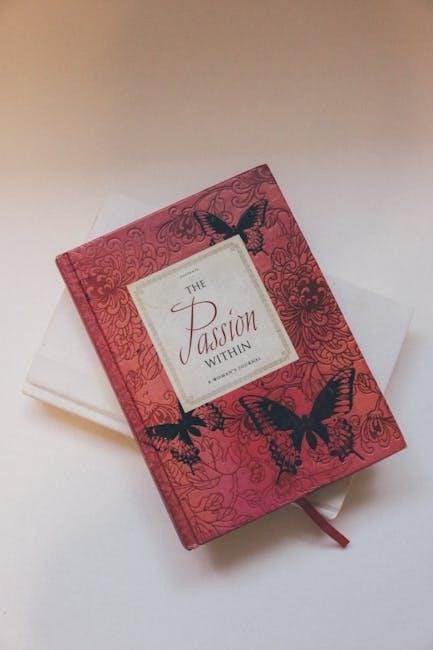
dork diaries book 1 pdf

Dork Diaries Book 1 PDF: A Comprehensive Guide (Updated 01/01/2026)

Today’s date is 01/01/2026. This guide explores the availability of a Dork Diaries Book 1 PDF, addressing legality, alternatives, and purchase options. The book contains 282 pages.

What is Dork Diaries?

Dork Diaries is a wildly popular series of children’s novels, presented in a diary format, penned by Rachel Renée Russell. The first installment, Tales From a Not-So-Fabulous Life, introduces readers to Nikki Maxwell, a relatable middle schooler navigating the treacherous waters of popularity, friendships, and family life.

The series blends realistic middle school drama with humorous illustrations, creating an engaging experience for young readers, particularly girls. The books delve into themes of self-discovery, bullying, and the importance of staying true to oneself. Nikki’s diary entries chronicle her experiences at North Hampton Middle School, detailing her struggles and triumphs.

The initial book focuses on Nikki’s adjustment to a new private school and her attempts to fit in, ultimately learning valuable lessons about authenticity. It’s categorized as Juvenile Fiction, encompassing themes of friendship and girls’ experiences. The series has garnered a significant following, appealing to readers in grades 5-8, with an Accelerated Reader level of MG 5.4.

The Core Themes of Book 1: Tales From a Not-So-Fabulous Life

Dork Diaries: Tales From a Not-So-Fabulous Life revolves around several key themes central to the middle school experience. Friendship is paramount, exploring the complexities of navigating social circles and the importance of genuine connections. Nikki’s journey highlights the challenges of finding true friends amidst cliques and popularity contests.

Popularity and its pressures are heavily examined, as Nikki initially strives to fit in with the “pretty committee” but ultimately learns that being herself is more valuable. The book also tackles themes of self-discovery and authenticity, encouraging readers to embrace their individuality.

Furthermore, the narrative touches upon social dynamics within schools, including bullying and the impact of rumors. Nikki’s diary entries provide a relatable portrayal of the anxieties and insecurities common during adolescence. The story subtly promotes kindness and empathy, advocating for treating others with respect, regardless of social status. These themes resonate deeply with the target audience, contributing to the series’ enduring appeal.

Nikki Maxwell: The Protagonist and Her World

Nikki Maxwell, a relatable and endearing fourteen-year-old, serves as the heart and soul of Dork Diaries. She’s a creative, artistic girl who chronicles her life – the triumphs, the tribulations, and everything in between – in her diary. Her world is dramatically altered when her family’s financial situation forces her to attend Westchester Academy, a prestigious private school.

This new environment throws Nikki into a whirlwind of social challenges. She quickly discovers the school is dominated by a clique known as the “Pretty Committee,” led by the formidable Mackenzie Hollister. Nikki’s attempts to navigate this unfamiliar landscape, while remaining true to herself, form the core of the narrative.

Her world isn’t solely defined by school drama; she also has a supportive family and a close friend, Chloe, who provide grounding and encouragement. Nikki’s internal monologue, expressed through her diary entries, offers readers a unique and intimate perspective on her thoughts and feelings, making her a highly engaging protagonist.

Understanding the Book’s Genre and Target Audience

Dork Diaries: Tales From a Not-So-Fabulous Life primarily falls into the Juvenile Fiction category, specifically blending elements of diary fiction, realistic fiction, and comedy. It’s also frequently categorized as comics and graphic novels due to its inclusion of illustrations that enhance the storytelling.

The book’s target audience is predominantly girls aged 10-14, aligning with Grades 5-8 as indicated by its Accelerated Reader information (AR MG 5.4). However, its relatable themes of friendship, popularity, and navigating social dynamics resonate with a broader audience, including boys who enjoy humorous and character-driven stories.

The diary format makes the narrative accessible and engaging for younger readers, while the exploration of more complex social issues provides depth for older middle-grade students. The book’s appeal lies in its honest portrayal of adolescent experiences, making it a popular choice for both recreational reading and classroom study.

Why Readers Love Dork Diaries: Key Appeal Factors

Readers are drawn to Dork Diaries for its authentic and relatable portrayal of middle school life. Nikki Maxwell’s voice feels genuine, capturing the anxieties and triumphs of navigating friendships, crushes, and social hierarchies. The humorous tone, combined with the diary format, creates an intimate and engaging reading experience.

The book’s exploration of universal themes – like fitting in, dealing with bullies, and the importance of self-acceptance – resonates deeply with young readers. The inclusion of illustrations adds another layer of appeal, visually bringing Nikki’s world to life. The fast-paced plot and relatable characters keep readers hooked from beginning to end.

Furthermore, the series’ popularity fosters a sense of community among fans, who connect over their shared love for Nikki and her adventures. The blend of humor, heart, and relatable struggles makes Dork Diaries a consistently beloved choice for middle-grade readers.

Finding a Dork Diaries Book 1 PDF: Legality and Ethics

Seeking a Dork Diaries Book 1 PDF raises important legal and ethical considerations. Downloading copyrighted material without authorization is generally illegal and infringes upon the author, Rachel Renée Russell, and publisher’s rights. Many online sources offering free PDFs operate outside the law, potentially exposing users to malware or viruses.

Ethically, downloading unauthorized PDFs devalues the author’s work and undermines the publishing industry. Authors rely on book sales to continue creating content. Supporting creators by purchasing books legally ensures the continuation of beloved series like Dork Diaries.

While the convenience of a free PDF is tempting, it’s crucial to prioritize respecting intellectual property. Consider the impact of your actions on the author and the broader literary community. Choosing legal alternatives demonstrates support for creativity and fair compensation.

Legal Alternatives to PDF Downloads

Fortunately, several legal alternatives exist for accessing Dork Diaries Book 1 without resorting to unauthorized PDF downloads. Purchasing a physical copy from retailers like Amazon or Barnes & Noble directly supports Rachel Renée Russell and the publisher. Alternatively, consider purchasing the digital ebook version through platforms such as Kindle, Kobo, or Google Play Books.

Many public libraries offer Dork Diaries Book 1 in their collections, providing free access to the book in physical or digital formats. Checking your local library’s catalog is a cost-effective and legal way to enjoy the story. Some libraries even offer access to ebooks and audiobooks through digital lending services.

Subscription services like Scribd or Audible may also include Dork Diaries Book 1 in their offerings, providing access to a wide range of books for a monthly fee. These options ensure you’re enjoying the book legally and ethically.

Where to Buy Dork Diaries Book 1 (Physical and Digital)

Dork Diaries: Tales From a Not-So-Fabulous Life is widely available for purchase both physically and digitally. Major booksellers like Amazon, Barnes & Noble, and independent bookstores typically stock the physical edition. Simon & Schuster, the publisher, also offers the book directly through their website.

For digital copies, popular ebook retailers include Kindle (Amazon), Kobo, and Google Play Books. These platforms allow instant access and often offer competitive pricing. Checking these stores for sales or promotions can lead to further savings. The book is also available through online retailers offering both new and used copies.

Dork Diaries Book 1: Plot Summary and Key Events

Dork Diaries: Tales From a Not-So-Fabulous Life centers around Nikki Maxwell, a fourteen-year-old navigating the treacherous social landscape of a new private school, North Hampton Hills. Nikki chronicles her experiences in her diary, detailing her struggles to fit in and achieve popularity.

Key events include Nikki’s initial anxieties about attending a prestigious school, her rivalry with the popular and mean Mackenzie Hollister, and her budding crush on Brandon Roberts. The story follows Nikki’s attempts to avoid Mackenzie’s schemes and find her own place amongst her classmates. She also deals with family dynamics and financial concerns.

A central plot point involves Nikki’s efforts to join the Country Club, hoping it will elevate her social status. However, she ultimately learns the importance of genuine friendship and staying true to herself, realizing popularity isn’t everything. The book is filled with humorous anecdotes and relatable teenage experiences.

While Nikki Maxwell is the heart of Dork Diaries, a vibrant cast of characters surrounds her. Mackenzie Hollister serves as Nikki’s primary antagonist – a wealthy, popular, and often cruel classmate determined to make Nikki’s life difficult. Mackenzie embodies the superficiality Nikki navigates.

Brandon Roberts is the object of Nikki’s affection, a cute and kind boy who captures her attention. Chloe and Zoey are Nikki’s best friends, providing unwavering support and comedic relief. They represent the importance of genuine connection.

Theo, a talented artist, is another key friend, offering a different perspective and creative outlet. Miss Crabtree, a strict teacher, adds a layer of authority and occasional humor. Even minor characters contribute to the rich tapestry of North Hampton Hills. Nikki Maxwell’s interactions with these individuals shape her journey.

The Role of Friendship in the Story

Friendship is a central theme in Dork Diaries: Tales From a Not-So-Fabulous Life. Nikki Maxwell’s relationships with Chloe and Zoey are pivotal, offering unwavering support amidst the social challenges of middle school. They provide a safe space for Nikki to be herself, navigating the complexities of popularity and self-discovery together.

The story highlights the importance of genuine connection over superficial popularity. Nikki learns that true friends celebrate individuality and offer encouragement, contrasting sharply with Mackenzie Hollister’s manipulative behavior. These bonds help Nikki build confidence and resilience.

The narrative demonstrates how friendship can withstand misunderstandings and external pressures. The girls’ loyalty is tested, but ultimately strengthened, showcasing the enduring power of their bond. This emphasis on positive friendships resonates strongly with the target audience, reinforcing the value of supportive relationships.

Popularity and Social Dynamics Explored

Dork Diaries: Tales From a Not-So-Fabulous Life keenly examines the often-cruel world of middle school popularity. The novel portrays the intense desire to fit in, particularly at a new, exclusive private school. Nikki Maxwell’s initial attempts to navigate this social hierarchy are fraught with challenges, highlighting the pressures faced by young teens.

The story contrasts the allure of the “elite” group, led by Mackenzie Hollister, with the value of genuine friendships. Mackenzie embodies superficiality and manipulation, demonstrating the negative consequences of prioritizing popularity above kindness. The narrative exposes the drama and insecurities that fuel social climbing.

Through Nikki’s experiences, the book explores themes of self-acceptance and the importance of staying true to oneself. It subtly critiques the obsession with social status, suggesting that true happiness lies in embracing individuality rather than chasing fleeting popularity. This resonates with readers navigating similar social landscapes.

Critical Reception and Reader Reviews

Dork Diaries: Tales From a Not-So-Fabulous Life has garnered overwhelmingly positive responses, particularly from its target audience of middle-grade readers. Reviews frequently praise the book’s relatable protagonist, Nikki Maxwell, and her humorous diary entries. Many young readers identify with Nikki’s struggles with fitting in and navigating the complexities of friendships;

The book’s blend of text and illustrations is also a common point of appreciation, enhancing the reading experience and appealing to visual learners. Critics note the series’ success in capturing the voice and perspective of a teenage girl, making it feel authentic and engaging.

Online platforms reveal a strong fan base actively discussing the series and sharing their personal connections to the characters. While formal critical analysis is limited, the consistent positive feedback from readers demonstrates the book’s enduring appeal and cultural impact within its demographic. Accelerated Reader ratings further indicate its suitability for grades 5-8.

Accelerated Reader Information: Grades 5-8, AR MG 5.4

Dork Diaries: Tales From a Not-So-Fabulous Life is frequently utilized within Accelerated Reader (AR) programs in schools and libraries. The book is officially designated for grades 5-8, making it appropriate for students within this age range. Its AR MG (Middle Grade) level is 5.4, indicating a moderate reading difficulty.

This AR score suggests the text is suitable for students who are reading at or slightly above grade level. Teachers and librarians often use this information to help students select books that will challenge them appropriately and contribute to their reading growth. The AR points available for the book vary depending on the edition and quiz length.

The accessibility of Dork Diaries through AR programs contributes to its widespread popularity in educational settings. It provides a fun and engaging reading experience while simultaneously supporting literacy development. The book’s themes also lend themselves to classroom discussions about friendship, popularity, and self-esteem.

Common Issues with PDF Versions (Tight Binding, Obscured Text)

Illegally sourced PDF versions of Dork Diaries: Tales From a Not-So-Fabulous Life often suffer from quality issues stemming from the digitization process. A frequently reported problem is “tight binding,” where the book was scanned with the pages pressed too closely together. This results in text being cut off, particularly near the inner margins, making sections unreadable.

Another common complaint is “obscured text,” specifically noted on leaf 0002 in some versions. This can manifest as blurry lettering, shadows, or distortions, again hindering comprehension. These issues arise from poor scanning quality, inadequate lighting during digitization, or attempts to reduce file size.

Furthermore, PDF copies may lack proper formatting, including missing images or incorrect page order. These imperfections significantly detract from the reading experience and highlight the benefits of obtaining a legitimate copy of the book, either physical or digital, from authorized retailers.

The Author: Rachel Renée Russell

Rachel Renée Russell is the creative force behind the immensely popular Dork Diaries series, beginning with Tales From a Not-So-Fabulous Life. Her inspiration stemmed from her own middle school experiences and a desire to capture the relatable anxieties and triumphs of adolescence. Russell initially wrote the stories for her own daughters, Mackenzie and Carly, who encouraged her to share them with a wider audience.

Prior to becoming a full-time author, Russell practiced law. This background likely honed her storytelling skills and attention to detail, contributing to the series’ engaging narratives. She actively connects with her readership through social media and author events, fostering a strong sense of community among Dork Diaries fans.

Russell’s dedication to creating authentic and humorous stories resonates with young readers, and her work emphasizes the importance of friendship, self-acceptance, and navigating the complexities of social dynamics. Supporting her work by purchasing legitimate copies ensures she can continue crafting these beloved tales.

The Dork Diaries Series: Beyond Book 1

The success of Dork Diaries: Tales From a Not-So-Fabulous Life launched a sprawling series that continues to captivate readers. Currently, the main Dork Diaries series extends far beyond the initial installment, with numerous sequels chronicling Nikki Maxwell’s ongoing adventures through middle school and beyond. Each book delves deeper into her friendships, family life, and the ever-present drama of navigating social hierarchies.

Beyond the core series, Rachel Renée Russell has also created the spin-off Max Crumbly series, focusing on Nikki’s mischievous classmate. This expands the Dork Diaries universe, offering a different perspective on the events unfolding at North Hampton Hills. Some fans have noted difficulty locating certain books within the series, specifically books 7, 12, 14, 15, and 16, and the Max Crumbly books 2 and 3.

Choosing to purchase these books legally supports the author and ensures continued creation of content.

Exploring Related Works: Max Crumbly Series

Expanding upon the world introduced in Dork Diaries, Rachel Renée Russell developed the Max Crumbly series. This spin-off offers a unique perspective, shifting the narrative focus to Max, a character initially presented as a playful antagonist in the Dork Diaries books. The series delves into Max’s own experiences, challenges, and growth, providing a contrasting viewpoint on the events at North Hampton Hills Middle School.

While Dork Diaries centers on Nikki’s diary entries, the Max Crumbly books adopt a different storytelling approach, allowing readers to understand Max’s motivations and personality more fully. Currently, the series includes multiple installments, though some titles – specifically Max Crumbly 2 and Max Crumbly 3 – have proven harder to find for some readers.

Like the main Dork Diaries series, supporting the Max Crumbly books through legal purchases is crucial for the author and future content creation.

Metadata and Library Information (OCLC Records, LCP)

Library cataloging information for Dork Diaries: Tales From a Not-So-Fabulous Life is readily available through Online Computer Library Center (OCLC) records. The OCLC record number is 1409187119, providing standardized metadata for library systems worldwide. This includes details like publication information – London : Simon & Schuster UK Ltd. – and subject headings such as “Maxwell, Nikki J – Juvenile fiction.”

Furthermore, the book is registered with Library of Congress Persistent Unique Identifier (LCP) identifiers. These include urn:lcp:dorkdiariestales0000russ:lcpdf:8476cf09-2903-479d-b0d1-fe6474d050a0 for the PDF version and urn:lcp:dorkdiariestales0000russ:epub:0f594d32-2f20-435b-ad0c-d6fe019b93ad for the EPUB format.

Another OCLC record is available with the number 1301973649. These records facilitate resource sharing and accurate identification within library networks, aiding in accessibility and preservation efforts.

Continue Reading